
Campground Directory
West Virginia Camping: Best Campgrounds & Camping Guide
West Virginia is built for camping: cool mountain nights, creek-side sites, and a national forest big enough to disappear into. Whether you want a full-hookup RV pad or a tent spot a mile from the nearest road, this guide covers where to pitch, when to go, and what it costs.

Quick Info
- Best For
- Tent campers, RV travelers, families, backpackers, fall leaf-peepers
- Best Season
- May–October; high elevations cooler and snowier in shoulder months
- Difficulty
- Drive-in sites easy; backcountry sites require route-finding
- Fees/Permits
- State parks roughly $20–$45 per night; national forest dispersed camping generally free
- Where
- New River Gorge, Monongahela National Forest, Allegheny Highlands, Potomac Highlands
State Park Campgrounds
West Virginia's state parks run some of the most reliable campgrounds in the Appalachians, with bathhouses, electric hookups, and reservation systems through the state parks website. Watoga State Park near Marlinton is the largest, with riverside sites along the Greenbrier and a quiet, old-growth feel. Seneca State Forest offers small, rustic sites on the Williams River and a famous stone fire tower. Pipestem Resort State Park pairs a mountaintop campground with a tram to the Bluestone River gorge, while Holly River State Park hides a shady campground under hemlocks along the Left Fork.
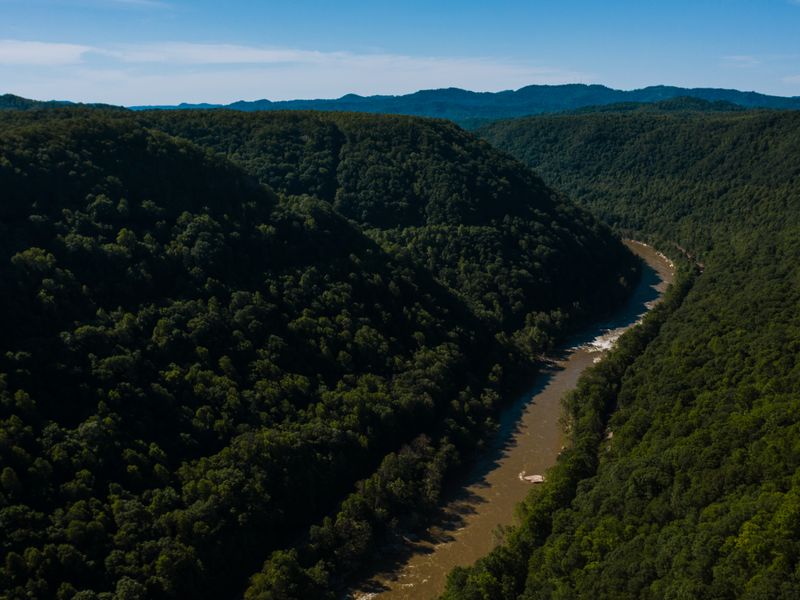
- Watoga State Park — 88 sites, Greenbrier River access, canoe rentals.
- Seneca State Forest — secluded sites, trout stream, fire tower views.
- Pipestem Resort — mountaintop sites, heated pool, gorge tram.
- Holly River State Park — quiet creekside camping near waterfalls.
Dispersed Camping in the Monongahela National Forest
For those who want solitude, the Monongahela National Forest allows dispersed camping across most of its 921,000 acres — no fee, no reservation, just find a legal pull-off or an established site and stay up to 21 days in one spot. Favorites include the Highland Scenic Highway corridor near Cranberry Glades, the back roads around Dolly Sods Wilderness, and the forest roads off Spruce Knob. Practice Leave No Trace: camp at least 200 feet from water, use existing fire rings, and pack out everything you bring in.
Camping in the New River Gorge
The New River Gorge National Park and Preserve offers primitive camping at Army Camp near Sandstone and Stone Cliff along the river, plus commercial campgrounds around Fayetteville and Summersville that cater to rafters and climbers. Arrowhead Bike Farm and Adventures on the Gorge offer tent sites and cabins within minutes of the bridge. If you want the full gorge experience, base yourself near Lansing or Fayetteville and access trails, rafting, and climbing all from one camp.
Backcountry camping in the gorge is allowed in designated zones — check with a ranger for current rules, since some areas near the river and along the rail grades have restrictions. Water from creeks should always be filtered.
Rustic & Waterfall Campgrounds
Some of the best campsites sit next to falling water. Near Blackwater Falls State Park, the Blackwater Falls campground has wooded sites with easy access to the falls stairs and Elakala Trail. In the Cranberry area, the Pocahontas Campground on the Highland Scenic Highway puts you minutes from Cranberry Glades, the Falls of Hills Creek, and the Cranberry Wilderness. Along the Williams River, the Bishop Knob and Day Run campgrounds are simple and free-feeling, with trout water right outside your tent.
Camping Tips for Mountain Weather
Pack for Cold
High-country lows can dip into the 30s even in summer. Bring a warmer sleeping bag than you think you need and a rain tarp.
Store Food Properly
Black bears are common across the state. Use bear-proof storage or hang food, and never keep scented items in your tent.
Reserve Early
State park campgrounds book out weeks ahead for holiday weekends and fall color season. Reserve online before you drive.
Top camping spots in West Virginia
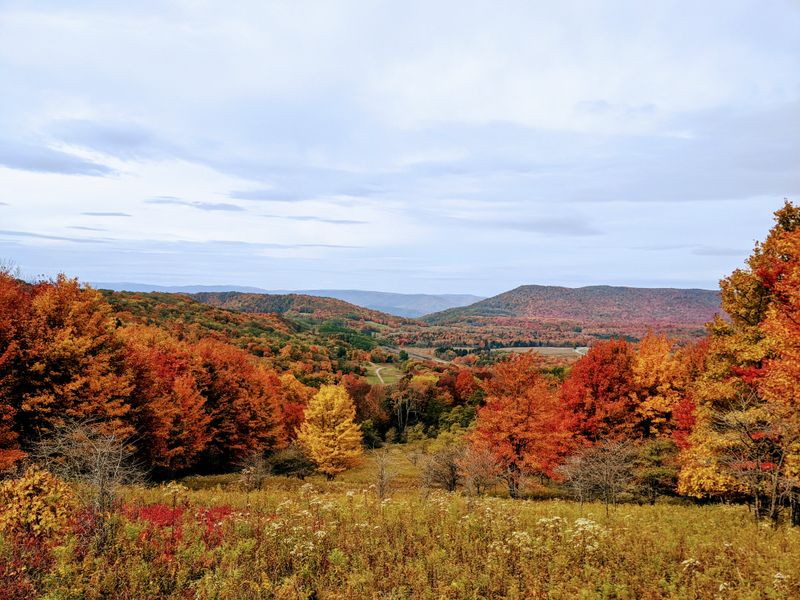
New River Gorge
Primitive river camps plus outfitter sites near Fayetteville.

Monongahela National Forest
Free dispersed sites across 921,000 acres of mountain forest.

Pipestem Resort
Mountaintop sites with a tram down to the Bluestone.
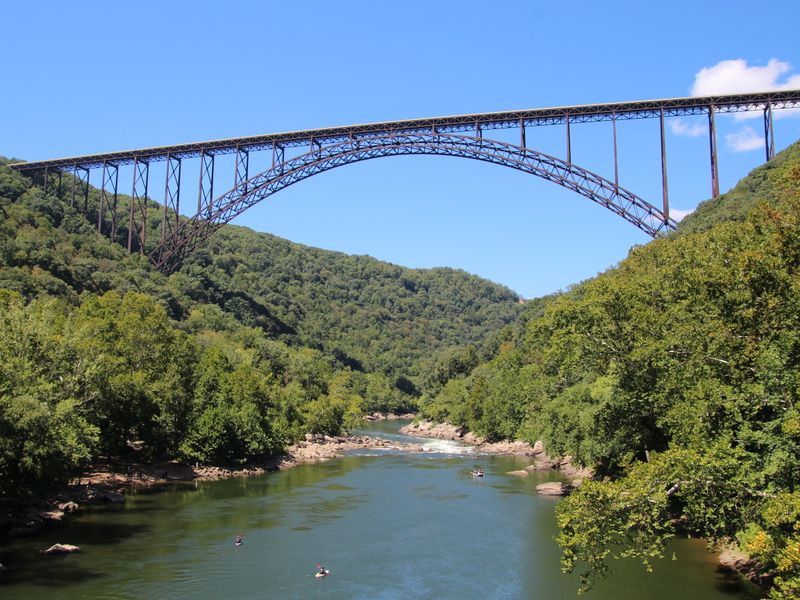
Blackwater Falls
Wooded sites steps from a 57-foot amber waterfall.
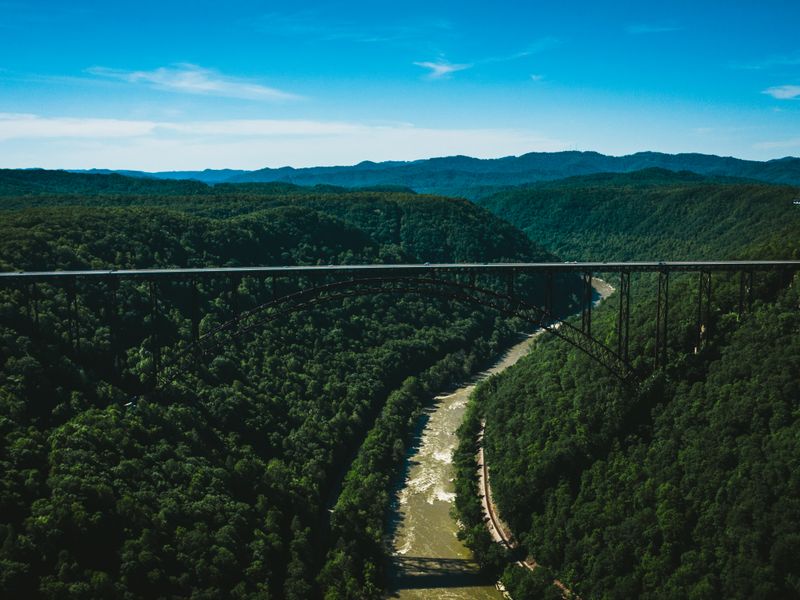
Snowshoe Resort
Year-round basecamp for Dolly Sods and the high country.
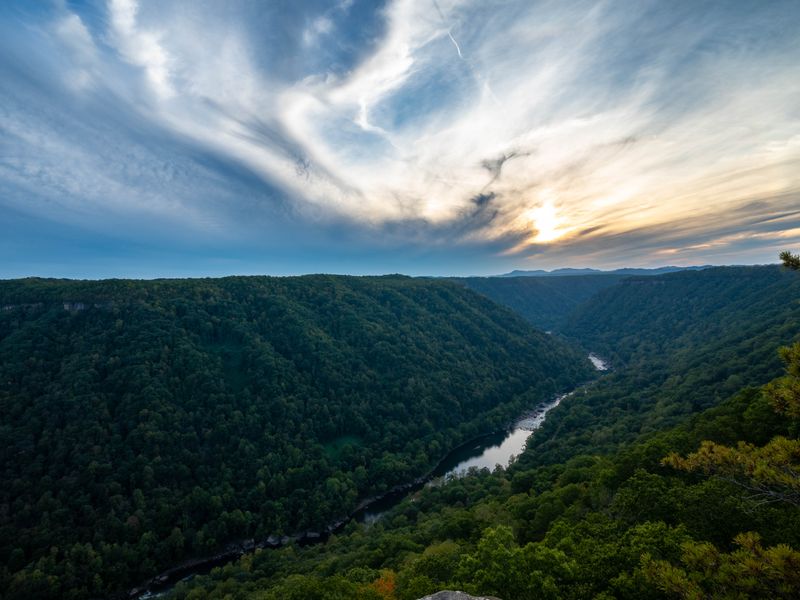
Pipestem Camping
A closer look at campsites along the Bluestone River.
Related Guides
Frequently Asked Questions
Is dispersed camping free in West Virginia?
Yes, on most Monongahela National Forest land and many Wildlife Management Areas, dispersed camping is free with a 21-day stay limit in one location. Developed state park campgrounds charge nightly fees.
Do I need a reservation for state park camping?
Reservations are strongly recommended from May through October, especially holiday and fall color weekends. Many parks hold a few first-come sites, but arriving without a plan is risky.
How do I camp safely around black bears?
Store all food and scented items in a vehicle, bear canister, or hung bag at least 12 feet up and 6 feet from a trunk. Cook away from your tent and never feed wildlife.
Can I camp in the New River Gorge backcountry?
Yes, backcountry camping is allowed in designated zones of the national park. Check with a ranger for current boundaries, fire rules, and any area-specific restrictions before your trip.
About Discover WV Today
Discover WV Today is an independent travel guide to West Virginia's mountains, rivers, towns, and hidden corners. We publish practical, locally researched guides — from New River Gorge trails to Hatfield-McCoy ATV routes — so you can plan a better trip.
Learn more about us