
Nature Guide
West Virginia Wildlife & Birding Guide
West Virginia's mix of unbroken forest, high mountain bogs, and river valleys supports a surprising range of wildlife. Black bears roam the ridges, bald eagles fish the rivers, a restored elk herd lives in the southern coalfields, and migrating warblers fill the spring woods. Here is where to look and how to do it responsibly.

Quick Info
- Best For
- Birders, wildlife photographers, families, nature walks
- Best Season
- May for spring migration; fall for elk and waterfowl; winter for eagles
- Difficulty
- Easy driving tours and boardwalks to backcountry observation
- Fees/Permits
- Mostly free; some parks and refuges charge a small entry or tour fee
- Where
- Monongahela National Forest, Cranberry Glades, Canaan Valley NWR, Chief Logan
Black Bears: The State's Signature Animal
The American black bear is the largest animal in West Virginia and its population has grown to the point that sightings are common across most of the state. Spring and early summer are the best times to spot bears grazing on grassy balds and roadsides, especially in the high country of the Monongahela National Forest and around Shenandoah Mountain and Dolly Sods. Bears are shy and usually avoid people, but they are powerful and food-conditioned animals can be dangerous. Never feed a bear, store food securely at camp, and give any bear plenty of space. From a vehicle, slow down, stay inside, and move on.

- Black bear — common statewide; best on ridge roads in spring.
- White-tailed deer — abundant in fields and along forest edges.
- Bobcat, coyote, fox — secretive mammals in the backcountry.
- River otter & beaver — active near lakes and slow streams.
Elk at Chief Logan & the Southern Coalfields
In one of the state's great conservation stories, elk were reintroduced to southern West Virginia in the early 2010s and have since spread across reclaimed mine land in Logan, Mingo, McDowell, and neighboring counties. The best place to see them is the Chief Logan State Park area and the surrounding Tomblin Wildlife Management Area, where an observation tower and viewing areas overlook grassy fields the herd frequents. Fall is the peak season, when bulls bugle during the rut; early morning and late evening offer the best chances. Driving the back roads near Man, Logan, and Holden can turn up elk in the fields — watch for them on the road, especially at dusk.
Bald Eagles, Ospreys & Birds of Prey
West Virginia's rivers and reservoirs have become strongholds for bald eagles, which nest along the Ohio, Kanawha, and Potomac drainages and around large lakes like Summersville and Bluestone. Winter is an excellent time to see them, when birds concentrate near open water to fish. Ospreys summer along the same waters, diving for fish with dramatic splashes. Red-tailed hawks, kestrels, and migrating broad-winged hawks are common, and the peregrine falcon has been restored to the cliff country of the New River Gorge and Seneca Rocks. Scan cliff faces and tall snags from overlooks, and bring binoculars.
Songbirds & Wildflower Season
West Virginia sits in the heart of the Appalachian migration corridor, and the state's high-elevation forests are critical breeding habitat for dozens of warbler species. Spring migration in late April and May brings cerulean, blackburnian, black-throated blue, and Canada warblers to the spruce and hardwood forests. Cranberry Glades, with its boreal bog boardwalk, is a top birding destination, as is the Highland Scenic Highway corridor and the high country around Dolly Sods and Spruce Knob. Wildflower displays peak in spring with trillium, lady's slipper orchids, and rhododendron; the rhododendron blooms in June in the New River Gorge are spectacular.
Where to Watch: Refuges, Parks & Boardwalks
A few places make wildlife watching easy and rewarding. The Canaan Valley National Wildlife Refuge protects wetlands and meadows that host waterfowl, raptors, and the state's most northern breeding birds. Cranberry Glades Botanical Area has a boardwalk through a true boreal bog. Chief Logan State Park and the Tomblin WMA are the elk-viewing hub. Pipestem Resort State Park, with its gorge tram, is a good base for southern wildlife. And Blackwater Falls State Park offers trails and the nearby refuge. For photography, early morning light and a long lens are your friends — and please follow all refuge and park rules on drones and off-trail access.
Responsible Wildlife Watching
Keep Your Distance
Use a long lens instead of moving closer. If an animal changes its behavior because you are there, you are too close. Give bears and elk especially wide berth.
Never Feed Wildlife
Fed animals become aggressive and often must be destroyed. Keep food in your vehicle, secure camp food, and do not throw scraps to birds or mammals.
Respect Closures
Nesting cliffs, wintering areas, and sensitive bogs may be closed seasonally. Stay on trails and boardwalks, and keep drones away from wildlife.
Top wildlife spots in West Virginia
Monongahela Forest
Black bear, songbirds and remote mountain habitat.
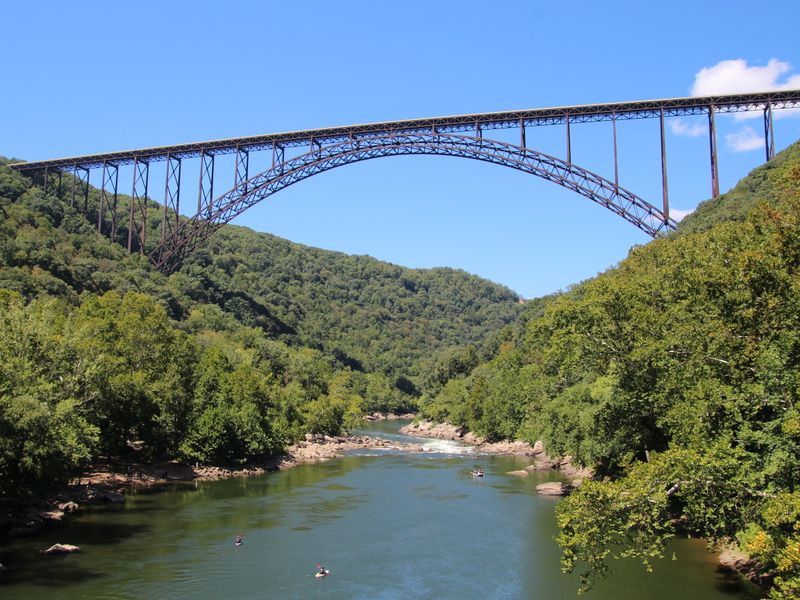
Dolly Sods & Canaan
Northern breeding birds and the scenic wildlife refuge.
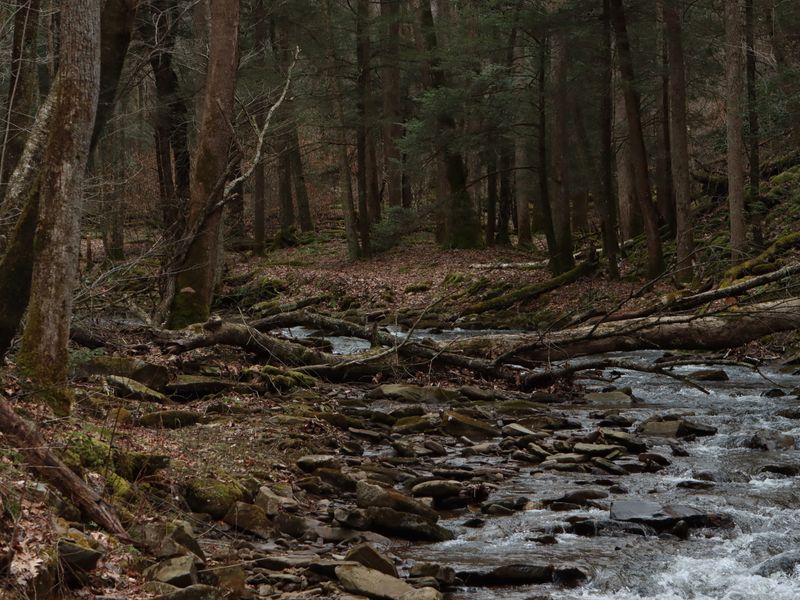
New River Gorge
Peregrine falcons, eagles and rich forest birding.
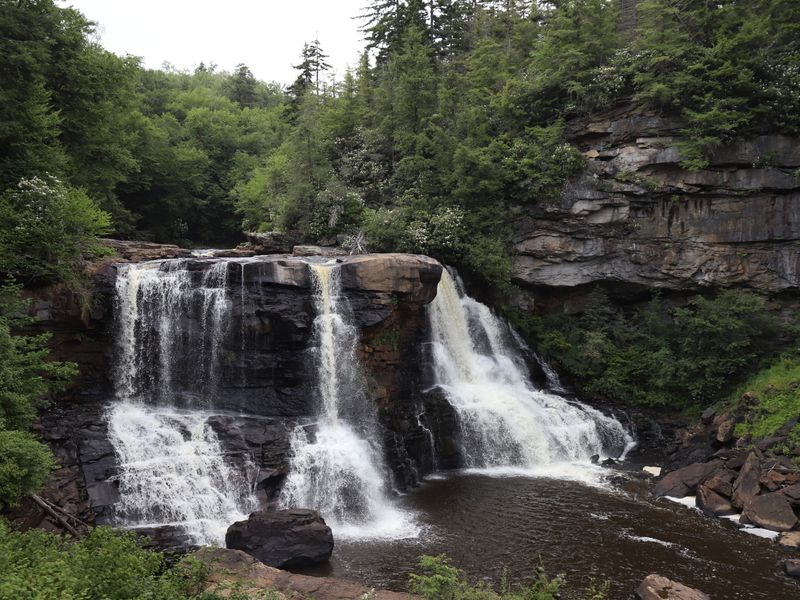
Bluestone Lake
Winter eagle watching and warm-water birding.
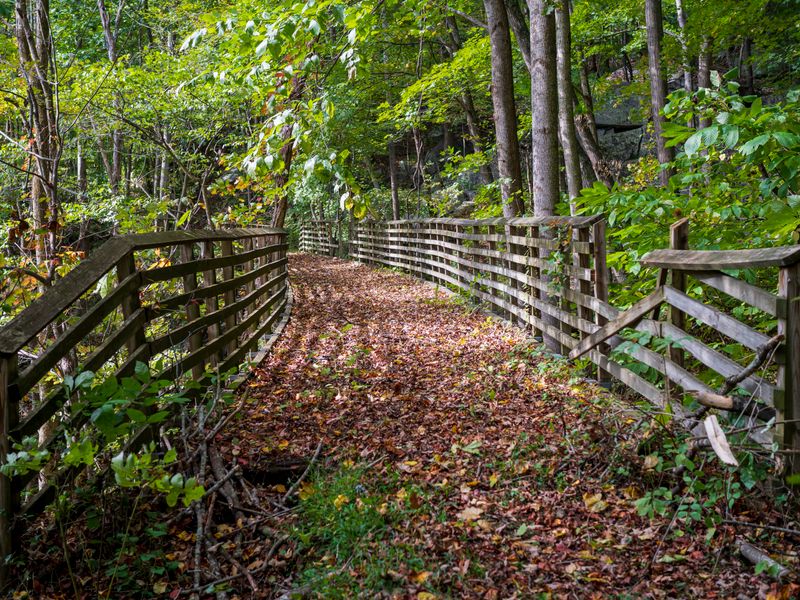
Birding by Trail
Walk the boardwalks and highland trails for spring warblers.
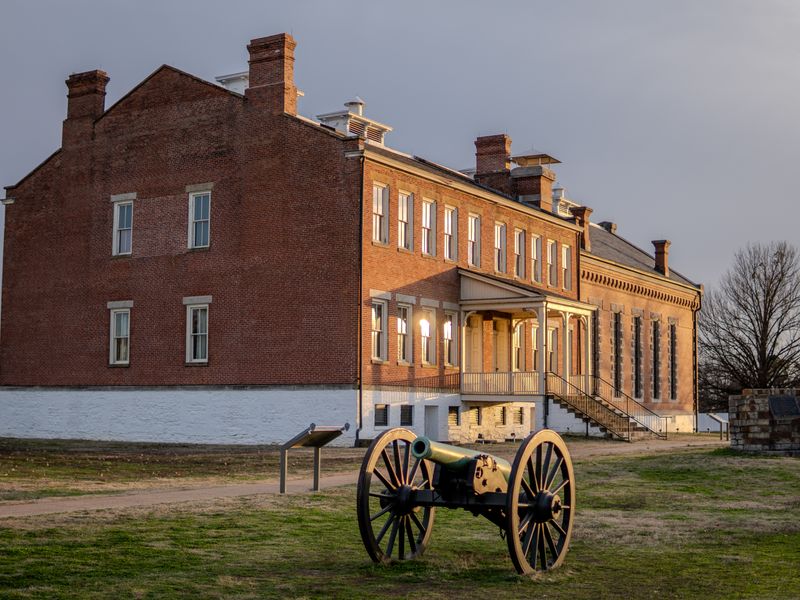
WMA & Conservation
How hunters and wildlife watchers fund habitat together.
Related Guides
Frequently Asked Questions
Where can I see elk in West Virginia?
The restored herd lives in the southern coalfields. The Chief Logan State Park area and Tomblin Wildlife Management Area near Logan and Man offer the best viewing, especially in the fall rut.
Are there really bears in West Virginia?
Yes, black bears are common across most of the state and the population is growing. Sightings are frequent in the Monongahela National Forest and along mountain roads, especially in spring and early summer.
What is the best place for birding in West Virginia?
Cranberry Glades and the Canaan Valley National Wildlife Refuge are the top destinations, especially during spring migration in May when warblers move through the high forests.
When is the best time to see bald eagles?
Winter concentrates eagles near open water on the larger rivers and reservoirs, such as the Ohio and Kanawha rivers, Summersville Lake, and Bluestone Lake.
About Discover WV Today
Discover WV Today is an independent travel guide to West Virginia's mountains, rivers, towns, and hidden corners. We publish practical, locally researched guides — from New River Gorge trails to Hatfield-McCoy ATV routes — so you can plan a better trip.
Learn more about us