
Cold Water Guide
West Virginia Trout Fishing: Streams & Stockings
West Virginia is one of the best trout states in the East, with thousands of miles of cold, spring-fed mountain water. Native brook trout hide in tiny headwater creeks, while larger rainbows and browns are stocked across the Monongahela National Forest each spring. This guide covers the streams, the stocking program, and how to fish them.

Quick Info
- Best For
- Brook, rainbow and brown trout; fly fishing; wading small water
- Best Season
- Late March–May and October–November; spring stockings run through May
- Difficulty
- Easy stocked put-and-take water to technical fly-only catch-and-release
- Fees/Permits
- Fishing license plus trout stamp required in designated trout waters
- Where
- Monongahela National Forest, Potomac Highlands, Greenbrier and Elk drainages
Classic Trout Streams of the Monongahela
The Cranberry River is arguably the state's premier trout stream, a broad, boulder-strewn river in a roadless valley that sees both wild and stocked fish. The Williams River, a tributary of the Gauley, flows through the remote backcountry of the Cranberry Wilderness and is stocked heavily in spring. The Shavers Fork of the Cheat near Elkins is a big, fertile tailwater-style fishery with good hatches and holdover browns. Farther north, the North Fork South Branch Potomac and Smoke Hole Canyon offer technical dry-fly water in dramatic limestone country.
- Cranberry River — wide, accessible, wild rainbows and brookies.
- Shavers Fork — big water, good insect hatches, holdover browns.
- Elk River — fly-fishing heritage near Webster Springs.
- Smoke Hole Canyon — limestone pocket water and dry-fly fishing.
The Elk River & the Birthplace of Fly Fishing
The Elk River near Webster Springs is where American fly fishing for trout arguably began, and the river's reputation endures. The catch-and-release fly-fishing-only section below Webster Springs holds wild browns and rainbows, and the surrounding hills are full of small brook trout streams. For anglers, the town of Webster Springs is a natural basecamp, and the annual trout festivals draw visitors each spring.
Stocking Program & Where Fish Are Released
West Virginia's Division of Natural Resources stocks millions of trout each year across hundreds of streams and several lakes. Spring stocking opens the last Saturday in March and continues through May, with fall stockings in October for selected waters. Popular stocked streams include the Williams River, Cranberry River, Elk River, Shavers Fork, and the North Fork South Branch. Stocking maps are published online each spring, and many waters are also stocked in fall for extended opportunity. Check the current regulations for delayed-harvest and catch-and-release sections that remain open year-round.
Native Brook Trout & Wild Water
West Virginia's only native trout is the brook trout, and the state works hard to protect self-sustaining populations in high-gradient headwater streams. Many wild brookie creeks are unnamed and unpublicized, but the Cranberry Wilderness and the backcountry of the Monongahela National Forest offer plenty of opportunities for anglers willing to hike. These fish are small — often 5 to 9 inches — but a wild brook trout from a remote mountain stream is the prize many anglers value most. Use light tackle, short casts, and stealth.
Trout Tactics & Etiquette
Match the Hatch
Spring caddis and mayfly hatches matter. In stocked water, inline spinners, small spoons, and PowerBait work well; in wild water, go small and natural.
Wade Carefully
Mountain streams are slick and fast. Felt or studded soles help, and always face upstream. In spring high water, stay out of the current.
Respect Wild Fish
Keep wild brook trout in the water, use barbless hooks, and release quickly. These populations are fragile and slow to recover.
Top trout fishing spots in West Virginia

Monongahela Forest
The heart of West Virginia's wild and stocked trout water.

Pipestem Area
Bluestone tailwater trout close to a full-service resort.

Waterfall Streams
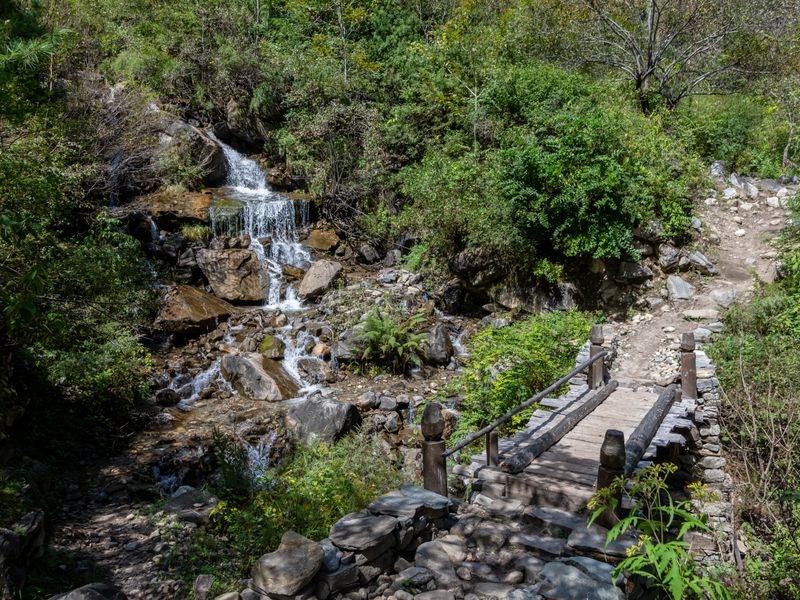
Fish the plunge pools below the state's most scenic falls.
Camp & Fish
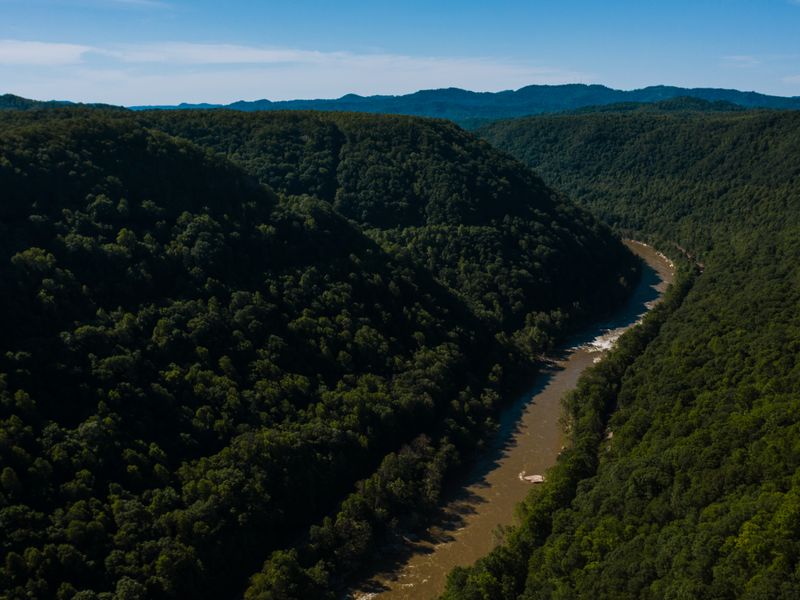
Campsites along the Williams and Cranberry rivers.
Hike for Brookies
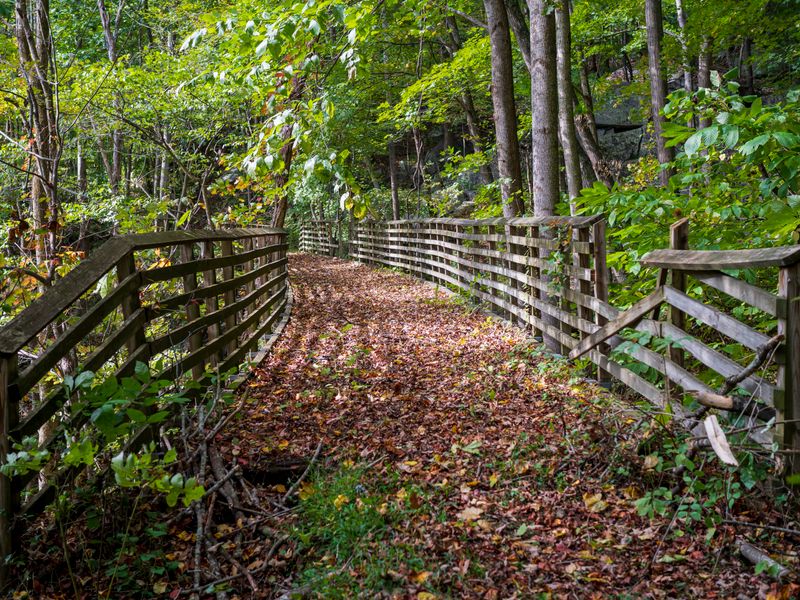
Backpack into wild brook trout water in the wilderness areas.

All Fishing
Warm-water rivers and lakes for bass, muskie and walleye.
Related Guides
Frequently Asked Questions
When does trout season open in West Virginia?
The traditional statewide opener is the last Saturday in March. Many catch-and-release and special-regulation sections are open year-round, so check the current regulations for the water you plan to fish.
Are there wild trout in West Virginia?
Yes. Native brook trout and wild rainbow and brown trout reproduce in many cold headwater streams, especially in the Cranberry Wilderness and the high country of the Monongahela National Forest.
Do I need a trout stamp?
Yes, anglers fishing designated trout waters must carry a trout stamp in addition to a valid West Virginia fishing license. Buy one before you head to the stream.
What is the best fly-fishing stream for beginners?
The lower Elk River and the stocked stretches of the Cranberry and Williams rivers offer forgiving access and willing fish. A guided half-day is the fastest way to learn the local water.
About Discover WV Today
Discover WV Today is an independent travel guide to West Virginia's mountains, rivers, towns, and hidden corners. We publish practical, locally researched guides — from New River Gorge trails to Hatfield-McCoy ATV routes — so you can plan a better trip.
Learn more about us