
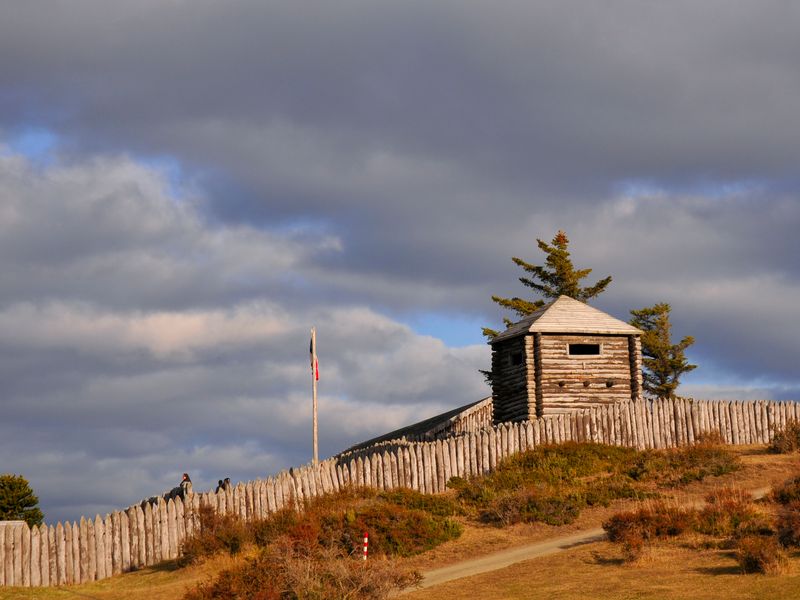
Pricketts Fort State Park
A reconstructed 1770s frontier fort with living-history programs on the Monongahela River.
North-Central West Virginia · Tygart Valley
Marion County is where the Tygart Valley meets the Monongahela, anchored by Fairmont and packed with riverside state parks, wooded rail-trails, deep coal history and the small-town food culture that gave the world the pepperoni roll. Here is your guide to the Tygart Valley.
Marion County spreads across the hills of north-central West Virginia, where the Tygart Valley River and the West Fork River meet at Fairmont to form the Monongahela. That riverside setting shapes everything here — from the waterfalls and trails of two state parks to the old rail corridors that now carry bikers and walkers along the water.
Fairmont, the county seat, blends a historic downtown and a university campus with easy access to the outdoors. Just minutes away, Valley Falls State Park tumbles over a rocky gorge, while Pricketts Fort State Park brings the frontier era back to life on the banks of the Monongahela.
The county also carries a powerful industrial story. Monongah and Farmington were the sites of two of the nation's most consequential coal mine disasters, and that heritage remains a defining part of the communities here today.
Best Things to Do
A reconstructed 1770s frontier fort with living-history programs on the Monongahela River.
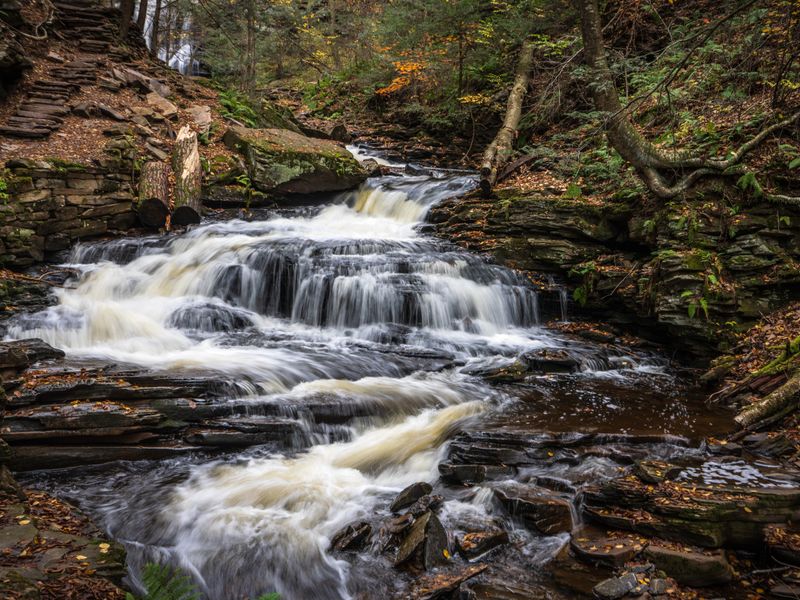
A series of waterfalls on the Tygart Valley River with hiking, biking and picnic spots.
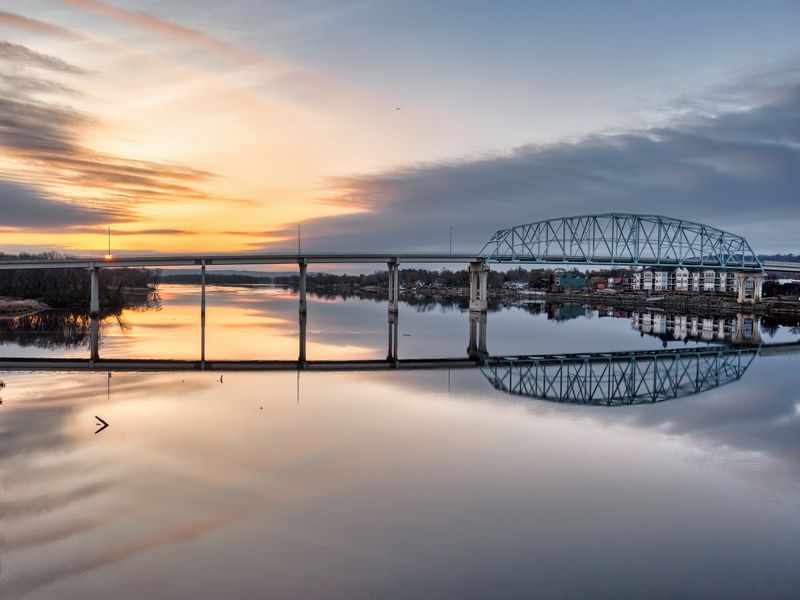
The landmark crossing over the Monongahela and the historic downtown blocks beside it.

Fairmont is the birthplace of the pepperoni roll — start at the original bakery and eat your way across town.
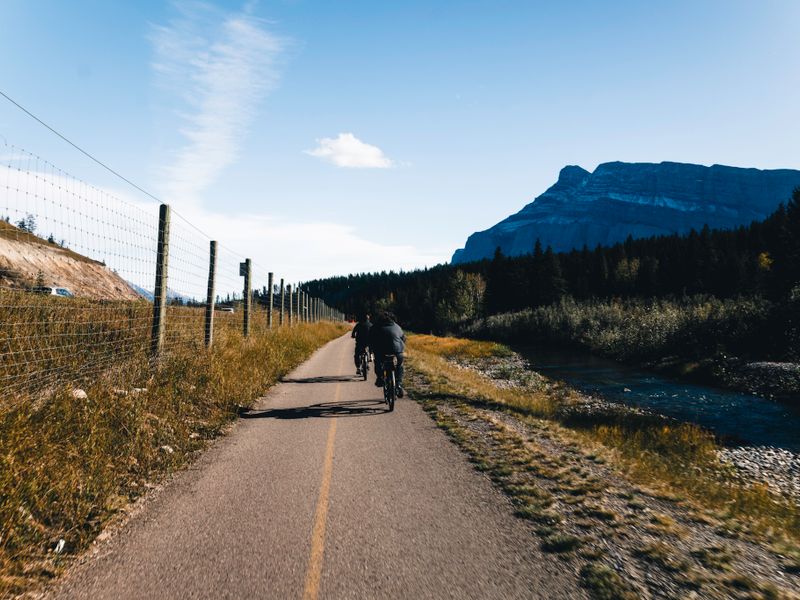
The Mon River and West Fork trails follow former rail lines along the water for miles of easy riding.
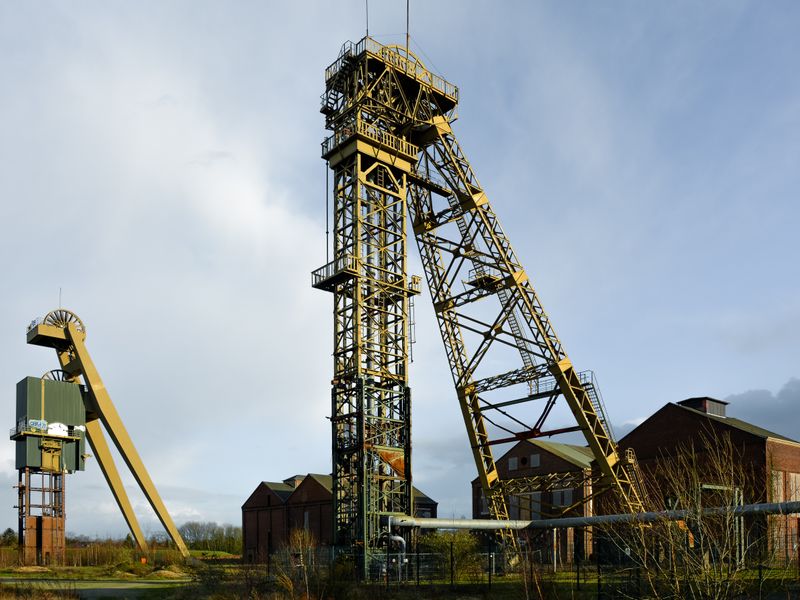
Memorials at Monongah and Farmington remember the miners behind two of America's worst disasters.
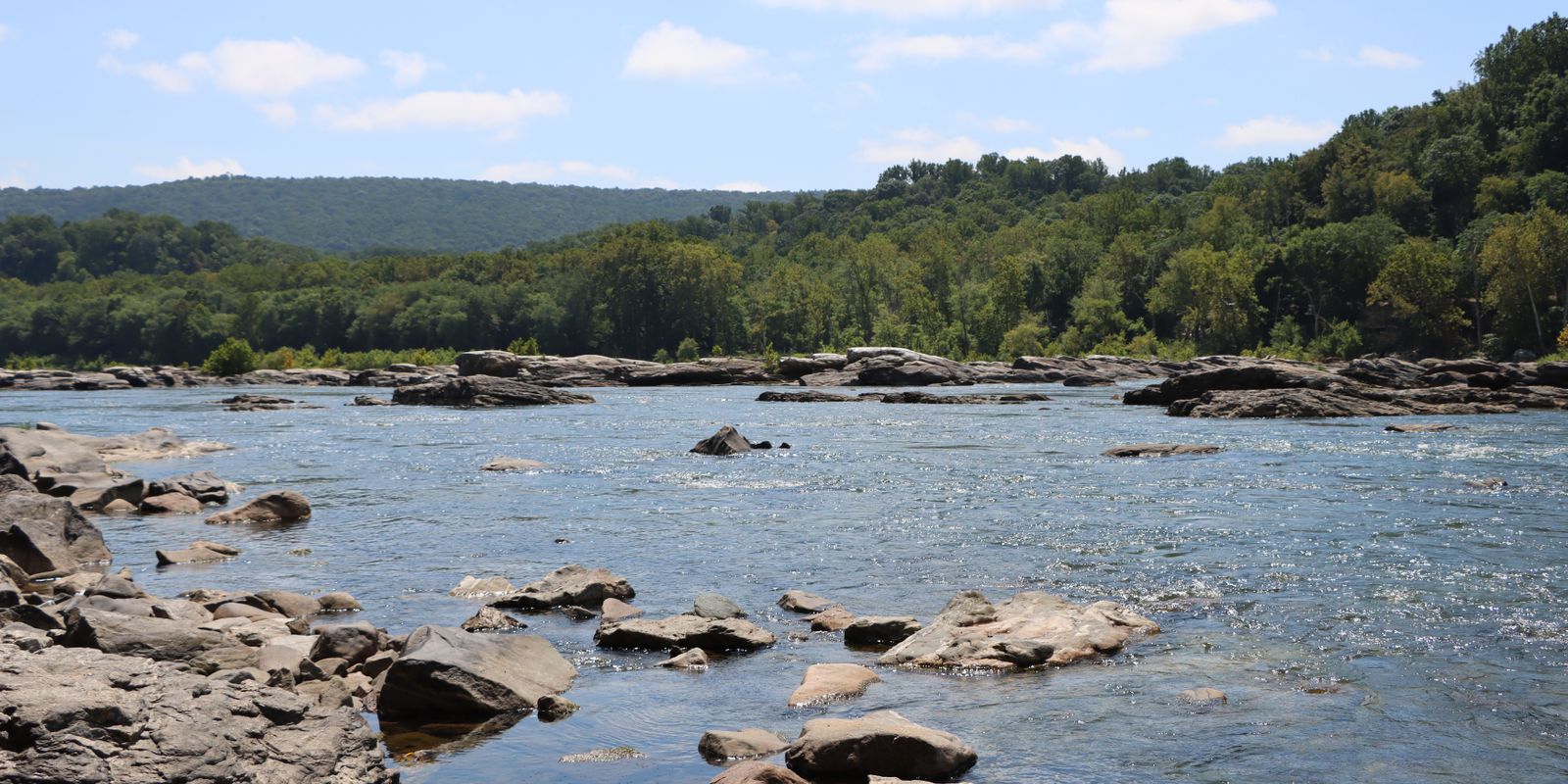
Riverside loops at Valley Falls and wooded paths at Pricketts Fort suit an easy afternoon outside.
Valley Falls tumbles through a rocky gorge on the Tygart, one of the region's most accessible cascades.
The flat, shaded rail-trails make the county a fine place to pedal with the whole family.
The Monongahela and its tributaries hold bass and panfish, with stocked water close to town.
State park campgrounds along the rivers, plus nearby forest sites, make an affordable base for exploring.
Quiet country roads thread the river valleys and hill farms between Fairmont, Mannington and Farmington.
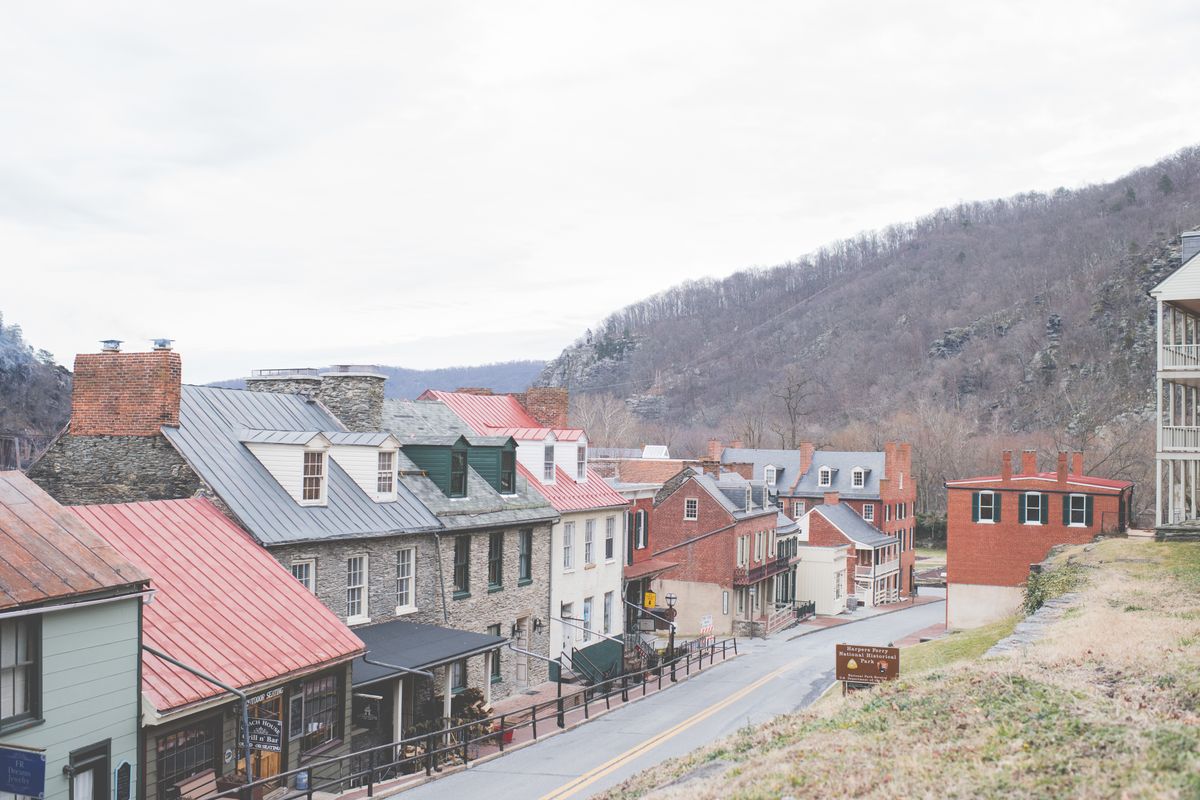
Pricketts Fort is a full-scale reconstruction of the 1774 stockade that sheltered settlers on the frontier, complete with the Job Prickett House and seasonal living-history demonstrations.
In Monongah, a memorial marks the December 1907 mine explosion that killed hundreds of men and remains the deadliest coal mining disaster in American history. Nearby Farmington remembers the 1968 Farmington No. 9 disaster, which reshaped mine safety law nationwide.
Fairmont's downtown historic district, the county courthouse and the leafy campus of Fairmont State University round out the county's heritage, while Mannington preserves its own early-1900s main street.
Fairmont's signature food — a soft roll baked around pepperoni and cheese — was born here in the 1920s, and bakeries all over town still make them fresh daily.
Cafes, pizza shops and family Italian restaurants fill the historic blocks near the courthouse and the river.
I-79 hotels and smaller local lodgings in Fairmont make the county an easy overnight stop between Morgantown and Clarksburg.
State park campgrounds and rustic cabins near the rivers give campers a quiet, wooded base close to town.
Spring brings high water and green hills, with wildflowers along the rail-trails. Summer is ideal for state park days, biking and boating on the rivers.
Fall is the standout season — hardwood hillsides turn in early to mid-October and pair perfectly with a warm pepperoni roll and a drive through the valley. Winter is quiet, but the towns stay lively with college events and holiday lights.
Always check park hours and river conditions before you head out, especially after heavy rain.
Day 1: explore Fairmont and the two state parks, then spend the afternoon on the rail-trails and the evening downtown.
Day 2: drive west to the coal heritage sites at Monongah and Farmington, then continue to Coopers Rock or Morgantown for gorge views and a longer afternoon out.
Fairmont is the county seat and largest city in Marion County.
Pricketts Fort and Valley Falls state parks, the pepperoni roll, rail-trails along the Monongahela and Tygart rivers, and the coal mining history of Monongah and Farmington.
One full day covers the state parks and Fairmont; two days let you add the coal heritage sites and a trip to Coopers Rock or Morgantown.
April through October for outdoor activities, with early to mid-October the best window for fall foliage.
Discover WV Today is an independent travel publication covering West Virginia's destinations, outdoor adventures, history and food. Our Marion County guide is built to help you plan a better Tygart Valley trip.
Learn more about us →