
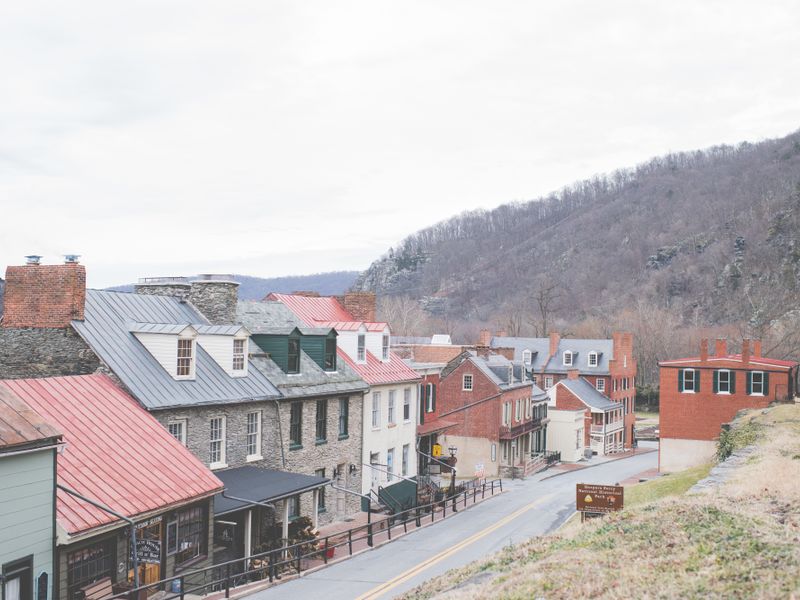
Harpers Ferry National Historical Park
Explore museums, restored buildings and exhibits across the lower and upper towns.
Jefferson County · Eastern Panhandle
Where the Potomac and Shenandoah rivers meet, Harpers Ferry packs a national historic park, dramatic overlooks and the Appalachian Trail into one impossibly scenic town. Here is how to explore it.
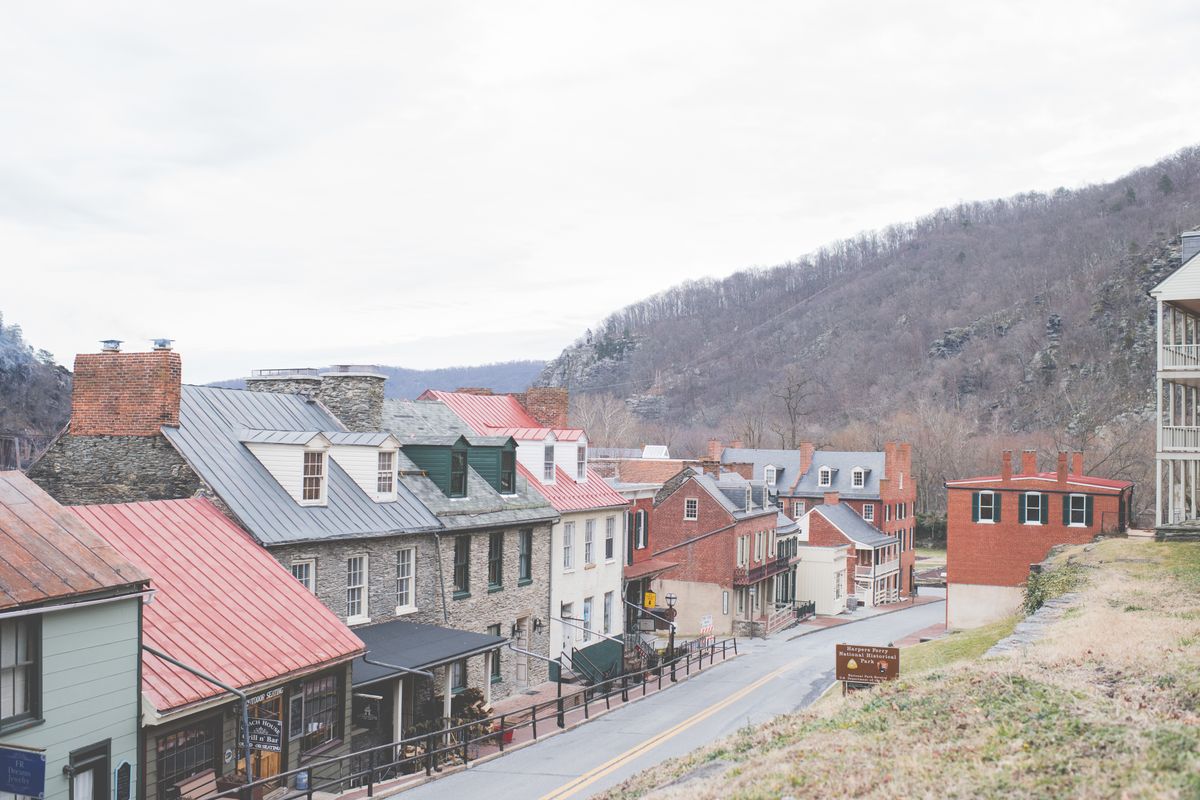
Few places in America combine scenery and history like Harpers Ferry. George Washington surveyed here, Meriwether Lewis outfitted his expedition here, and John Brown’s 1859 raid helped ignite the Civil War.
Today the lower town is preserved by the National Park Service, its 19th-century buildings clinging to the hillside above the rivers. Steep trails climb to overlooks with views that stretch across three states, and the Appalachian Trail passes right through town.
Whether you come for the history, the hiking or simply the view, Harpers Ferry is unforgettable.
Best Things to Do
Explore museums, restored buildings and exhibits across the lower and upper towns.

A steep climb to the best panorama of the town and the rivers far below.
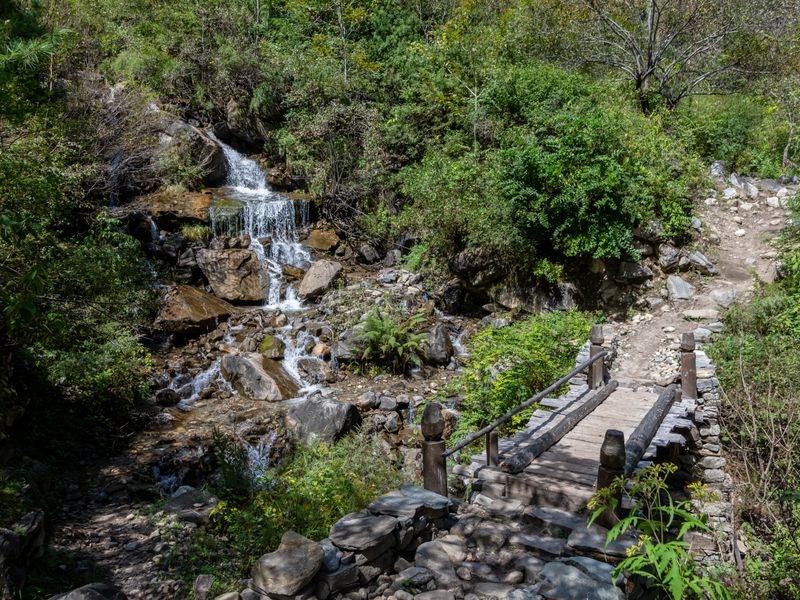
The firehouse where John Brown made his stand, a powerful Civil War landmark.
Stand where the Potomac and Shenandoah meet, beneath the cliffs of Maryland Heights.
Walk a stretch of the AT as it crosses the Potomac into town on the footbridge.
The site of a pioneering school for freed African Americans, with moving exhibits.

A short climb to a famous viewpoint Thomas Jefferson once praised.

Browse historic candy shops, bookstores and craft stores along the old streets.
Maryland Heights, Loudoun Heights and the AT offer bluff-top views.
Outfitters run gentle Potomac floats and Shenandoah whitewater trips.
The calm stretches above the confluence are great for beginner paddlers.
Canopy tours near the rivers add an aerial view of the valley.
The Potomac and Shenandoah hold bass, catfish and seasonal shad.
Amtrak’s Capitol Limited and MARC stop in town, and the station is a landmark itself.
John Brown’s Fort and the surrounding Harpers Ferry National Historical Park interpret the raid that divided a nation.
Storer College, on Camp Hill, was founded after the Civil War to educate freed people and later hosted early civil rights meetings.
The Harpers Ferry station, the Bolivar Heights battlefield and the old armory grounds round out a remarkably preserved historic landscape.
Hearty American and seafood dishes in a historic building in Bolivar.
A gastropub with creative plates and local beer in the lower town.
Sandwiches and casual fare named for the town’s Civil War past.
Fresh pastries and coffee, a favorite before a morning hike.
A one-of-a-kind candy store with a history lesson in every sweet.
A quick drive to a college town with a deep restaurant scene.
Spring brings wildflowers and rushing rivers. Summer is lush but busy, so arrive early for parking. Fall is the highlight, with stunning color across the river gaps.
Winter is quiet and atmospheric, with fewer crowds and crisp views from the overlooks.
Day 1: the national park, lower town and a Maryland Heights hike, then an evening in Shepherdstown.
Day 2: a morning river float or the Appalachian Trail, an afternoon at Antietam Battlefield, and sunset from Jefferson Rock.
John Brown’s Raid, its perfectly preserved national historic park and the meeting of the Potomac and Shenandoah rivers.
Yes. The AT passes through town and crosses the Potomac on the railroad footbridge.
The main overlook is about 4.5 miles round trip with a steep, rocky climb; allow 2 to 3 hours.
The park charges a per-vehicle entry fee; America the Beautiful passes are accepted.
Mid-October for fall color, or a spring weekday to avoid summer crowds.
Discover WV Today is an independent travel publication covering West Virginia’s destinations, outdoor adventures, history and food. Our Harpers Ferry guide is written to help you plan a memorable Eastern Panhandle trip.
Learn more about us →