
Field Guide
West Virginia Hunting: Seasons, WMA & Game
West Virginia has long been one of the East's great hunting states. Big, rugged public land, healthy white-tailed deer and wild turkey populations, a growing black bear population, and a culture that still turns out for the opening day of buck season make it a serious destination for hunters. Here is what you need to know.
Quick Info
- Best For
- Deer, turkey, bear, squirrel, grouse and waterfowl hunters
- Best Season
- Buck firearms season in late November; spring gobbler in April–May
- Difficulty
- Steep, demanding mountain terrain; physical effort required
- Fees/Permits
- Hunting license plus stamps/tags for deer, bear, turkey; separate WMA rules
- Where
- Monongahela National Forest, statewide WMAs, state forests and private land
Big Game: Deer, Bear & Turkey
White-tailed deer are the cornerstone of West Virginia hunting, with a firearms season that traditionally opens the Monday before Thanksgiving and runs two weeks. Millions of acres of public land give hunters room to spread out, and the state's deer densities are healthy in most counties. Wild turkey hunting is exceptional in spring, when gobblers sound off across the ridgelines, and a fall season adds more opportunity. The black bear population has grown dramatically, and West Virginia now runs both a fall firearms season and archery and muzzleloader seasons in many counties, making it one of the best black bear destinations in the East.
- Deer — archery, muzzleloader and firearms seasons from fall into winter.
- Black bear — fall firearms plus archery and muzzleloader seasons.
- Wild turkey — spring gobbler and fall seasons.
- Small game — squirrel, grouse, rabbit, and waterfowl.
Public Land: WMAs & the Monongahela National Forest
West Virginia has more than 80 Wildlife Management Areas (WMAs) managed by the Division of Natural Resources, offering tens of thousands of acres of free public hunting. WMAs range from small river bottoms to sprawling mountain tracts, and many have special regulations, drawings for limited-entry hunts, and season restrictions that differ from private land. The Monongahela National Forest adds 921,000 acres of national forest open to hunting, and it is the state's biggest contiguous public hunting ground. Other large options include Coopers Rock State Forest, Seneca State Forest, Calvin Price State Forest, and Panther State Forest.
Licenses, Tags & Regulations
A valid West Virginia hunting license is required for residents and nonresidents alike. Deer, bear, and turkey require additional stamps or tags, and bear tags are often allocated through a lottery for the firearms season. Hunters born after a certain date must complete a hunter education course. Harvests must be checked and reported according to current rules, and blaze orange requirements apply during firearms seasons. Because regulations change annually and vary by county and WMA, always read the current West Virginia hunting regulations before heading afield.
Where to Hunt by Region
In the Allegheny Highlands, the Monongahela's high-elevation forests around Dolly Sods, Spruce Knob, and the Cranberry Wilderness offer remote deer and bear hunting in big timber. The Potomac Highlands around Seneca Rocks and Smoke Hole Canyon hold both deer and turkey. Southern West Virginia's reclaimed mine lands and river bottoms provide some of the best turkey and deer habitat in the state, while the Ohio Valley and northern Panhandle have productive private and WMA land for deer and waterfowl. Hunters willing to walk away from the road consistently find less pressure and better success.
Safety, Ethics & Conservation
Be Visible
Wear required blaze orange during firearms seasons, even on private land, and identify your target and what lies beyond before you shoot.
Respect the Land
Know property boundaries, leave gates as you find them, and pack out all trash. Public land access depends on hunter responsibility.
Support Conservation
License and stamp dollars fund habitat and wildlife management. Report harvests accurately so biologists can set sustainable seasons.
Top hunting spots in West Virginia
Monongahela Forest
921,000 acres of public land for deer, bear and turkey.
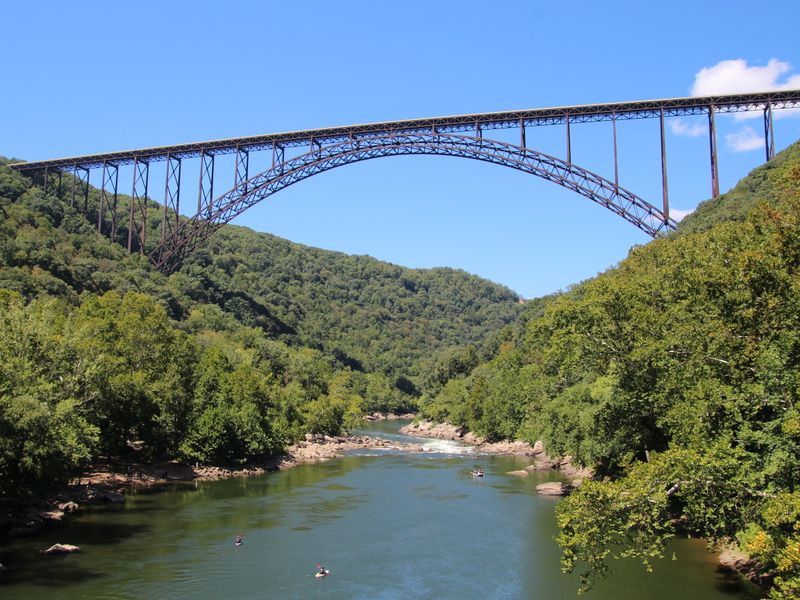
Dolly Sods & Spruce Knob
Big timber and low hunting pressure in the high country.

Pocahontas County
Remote WMA and forest land in the heart of the highlands.
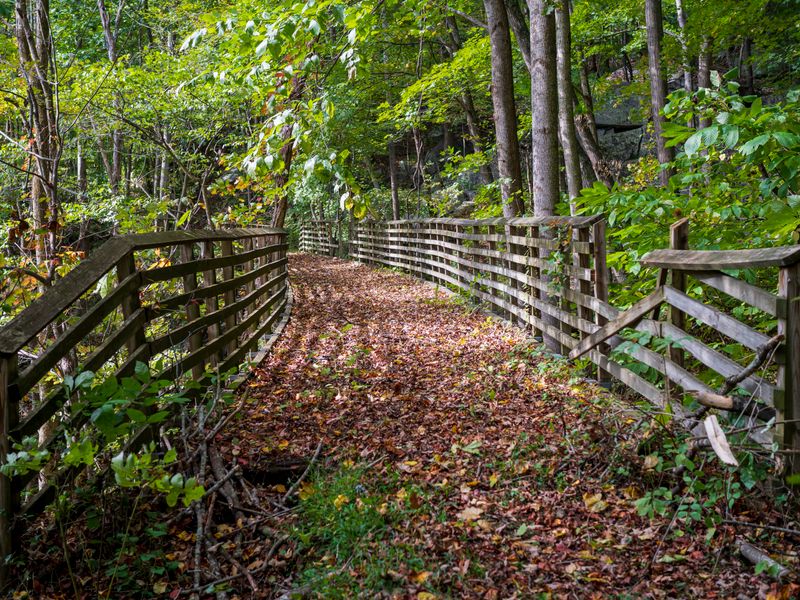
Hunt on Foot
Public-land tactics and how to get away from the road.

Hunting Camps
Dispersed camping and rustic campgrounds near the hunt.
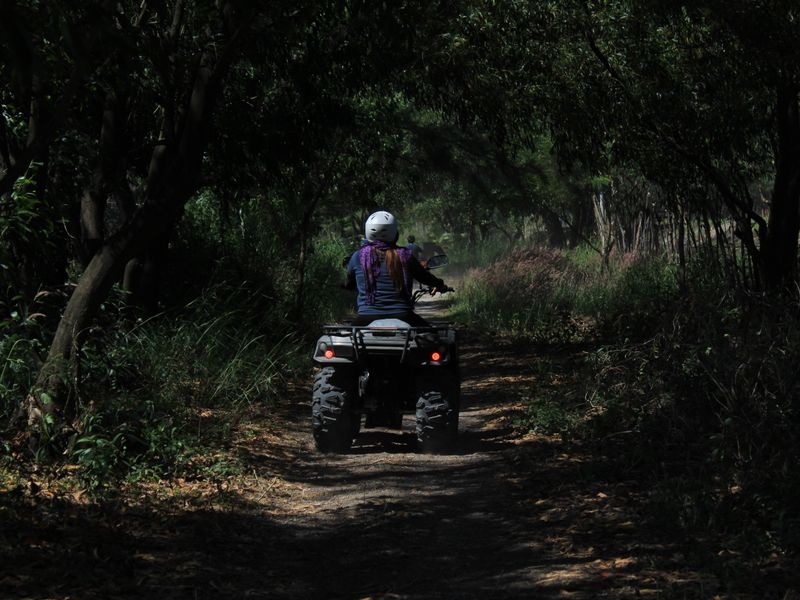
Off-Road Access
Use ATV trails and forest roads to reach remote trailheads.
Related Guides
Frequently Asked Questions
When is deer season in West Virginia?
The traditional two-week buck firearms season opens the Monday before Thanksgiving, with archery and muzzleloader seasons on either side. Antlerless and county-specific seasons vary, so check the annual regulations.
Can nonresidents hunt in West Virginia?
Yes. Nonresident hunting licenses and required stamps are sold online and at license agents. Bear tags are often limited and may require entry in a lottery, so plan ahead.
Is there good public hunting land?
Yes. The Monongahela National Forest and more than 80 Wildlife Management Areas offer extensive free public hunting access, though some WMAs have special regulations and limited-entry hunts.
Do I need hunter education?
Hunters born on or after a certain date must complete a certified hunter education course before buying a license. The requirement applies to residents and nonresidents; check current rules for details.
About Discover WV Today
Discover WV Today is an independent travel guide to West Virginia's mountains, rivers, towns, and hidden corners. We publish practical, locally researched guides — from New River Gorge trails to Hatfield-McCoy ATV routes — so you can plan a better trip.
Learn more about us