
Civil War History
Droop Mountain: The Civil War Battle That Helped Secure West Virginia
High in the Allegheny Mountains of Pocahontas County, West Virginia, Droop Mountain is a peaceful destination today, offering forested hiking trails, sweeping mountain views, and a chance to explore one of the most important Civil War sites in the Mountain State. But on November 6, 1863, Droop Mountain looked very different.
On that autumn day, Union and Confederate forces fought a fierce battle for control of this strategic mountain. The Battle of Droop Mountain ended in a Union victory and is generally regarded as the last significant Civil War battle fought in West Virginia. The National Park Service estimates that the battle resulted in approximately 415 casualties.
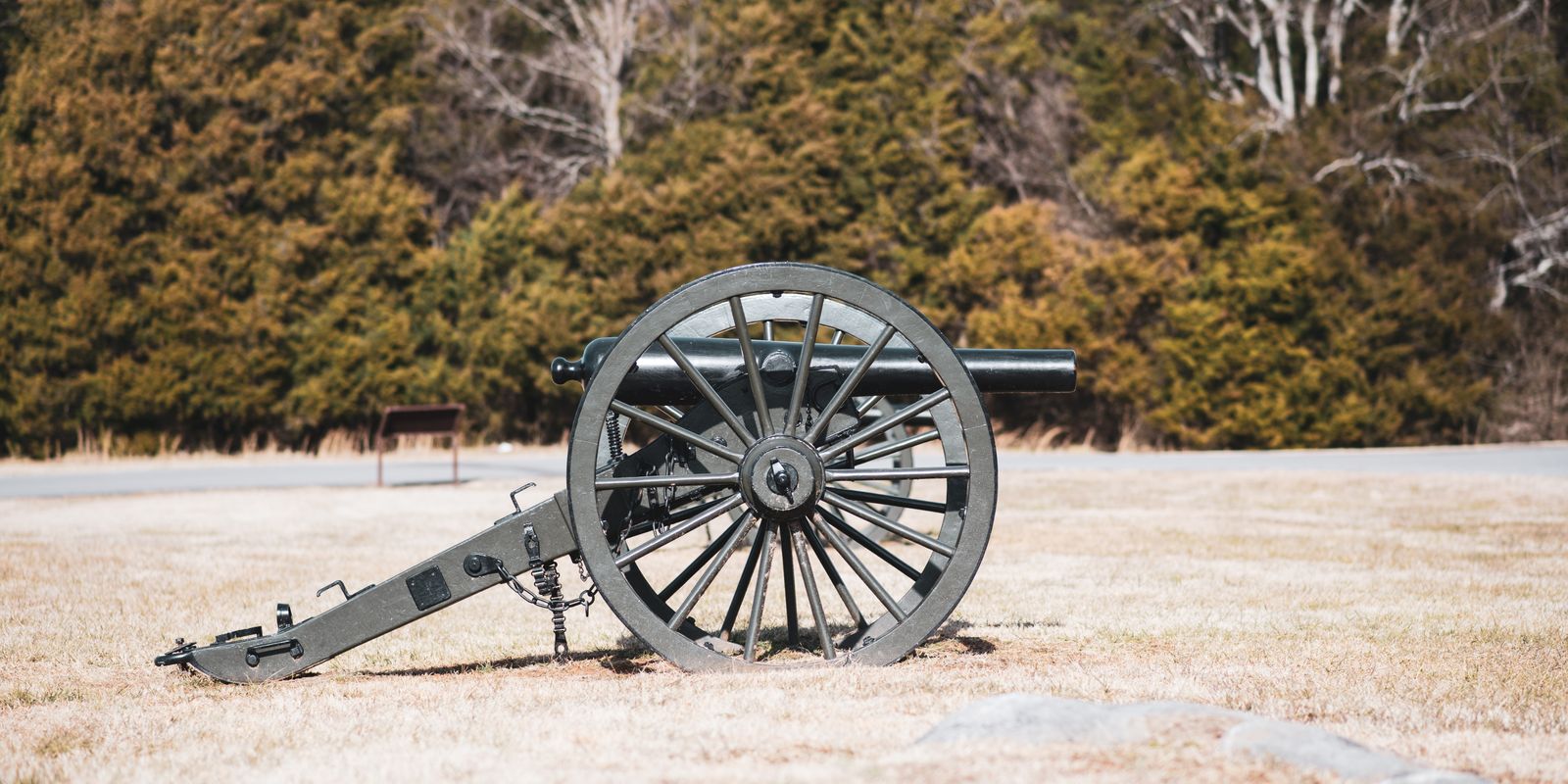
Today, the battlefield is preserved as Droop Mountain Battlefield State Park, allowing visitors to walk across the same ground where soldiers fought more than 160 years ago.
Quick Info
- Location:
- Near Hillsboro, Pocahontas County, WV
- Battle date:
- November 6, 1863
- Best for:
- History, hiking, overlooks
- Time needed:
- 1.5–3 hours
- Best time:
- Spring–fall (fall foliage is excellent)
- Cost:
- Free (park may have seasonal hours)
The Civil War Comes to Droop Mountain
To understand the importance of Droop Mountain, it helps to understand the complicated position of West Virginia during the Civil War.
West Virginia officially entered the Union as a new state on June 20, 1863. However, loyalties throughout the region remained deeply divided. Families, communities, and even neighbors could find themselves supporting opposite sides of the war.
Meanwhile, Union commanders wanted to weaken Confederate transportation and supply networks in western Virginia. One particularly important target was the Virginia and Tennessee Railroad, which helped move Confederate troops and supplies.
Union Brigadier General William W. Averell was ordered into the region as part of an operation aimed at disrupting that railroad. In early November 1863, Averell advanced southward through the mountains.
Standing in his way was Confederate Brigadier General John Echols. The two forces would soon meet at Droop Mountain.
Why Droop Mountain Was Strategically Important
The terrain surrounding Droop Mountain gave Confederate troops a potentially powerful defensive position.
Echols placed his men along the mountain's high ground, where they could block Averell's advance toward Lewisburg and the railroad beyond. The Confederates also positioned artillery to help defend the road.
The Union forces, however, had greater numbers. A National Register of Historic Places document describing the battle indicates that Averell commanded roughly 3,000 to 4,000 troops compared with approximately 1,700 Confederate soldiers under Echols. The Confederates therefore depended heavily upon their strong defensive position on Droop Mountain.
Averell needed to find a way to overcome that advantage.
The Battle of Droop Mountain Begins
On the morning of November 6, 1863, Union forces approached the Confederate positions on Droop Mountain.
The Confederates initially held the advantage. Their elevated position allowed them to defend the mountain and block the highway while Union troops attempted to push forward.
Rather than relying entirely upon a frontal assault, Averell maneuvered infantry toward the Confederate left flank. For several hours, fighting continued across the rugged terrain.
Imagine attempting to move hundreds of soldiers through steep West Virginia mountains covered with trees, rocks, and uneven ground — all while under enemy fire. The geography that makes Droop Mountain beautiful today made it a difficult battlefield in 1863.
As Union infantry continued advancing against the Confederate left, pressure on Echols' line increased. Eventually, the Confederate position could no longer hold.
According to West Virginia State Parks, the Union advance overwhelmed the Confederate left flank, causing Echols' defensive line to collapse. Confederate forces then retreated southward toward Virginia. The Union had won the Battle of Droop Mountain.

Casualties at Droop Mountain
The victory came at a significant human cost. The National Park Service lists approximately 415 total casualties, including about 140 Union casualties and 275 Confederate casualties.
Those numbers become even more meaningful when considering the relatively small size of the armies involved.
The battle also illustrates one of the most painful aspects of the Civil War in West Virginia. Men from the same broader Appalachian region sometimes fought against one another. The conflict truly brought the war directly into West Virginia's mountains and communities.
What Happened After the Battle?
Following the Confederate retreat from Droop Mountain, Averell's forces continued south. Union troops occupied Lewisburg on November 7, 1863, the day after the battle. However, Averell's force was burdened by prisoners and captured livestock, and he decided not to immediately continue the planned attack against the railroad. Instead, his troops returned toward their headquarters at Beverly.
Averell had not forgotten about the railroad. In December 1863, he launched another raid and successfully reached Salem, Virginia, where Union troops damaged the strategically important Virginia and Tennessee Railroad.
The victory at Droop Mountain therefore helped open the way for later Union operations deeper into Confederate territory. The National Park Service describes Droop Mountain as a Union victory and notes that Confederate resistance in West Virginia declined dramatically following the battle.
Droop Mountain Battlefield State Park
Decades after the Civil War ended, West Virginians began working to preserve the battlefield. Droop Mountain Battlefield State Park became West Virginia's first state park and today protects the historic landscape surrounding the battlefield.
The park is located near Hillsboro in Pocahontas County, north of Lewisburg in the Greenbrier River Valley.
Visitors aren't simply looking at monuments from a parking lot. Several miles of trails pass through terrain associated with the battle, including areas containing historic trenches and other Civil War features.
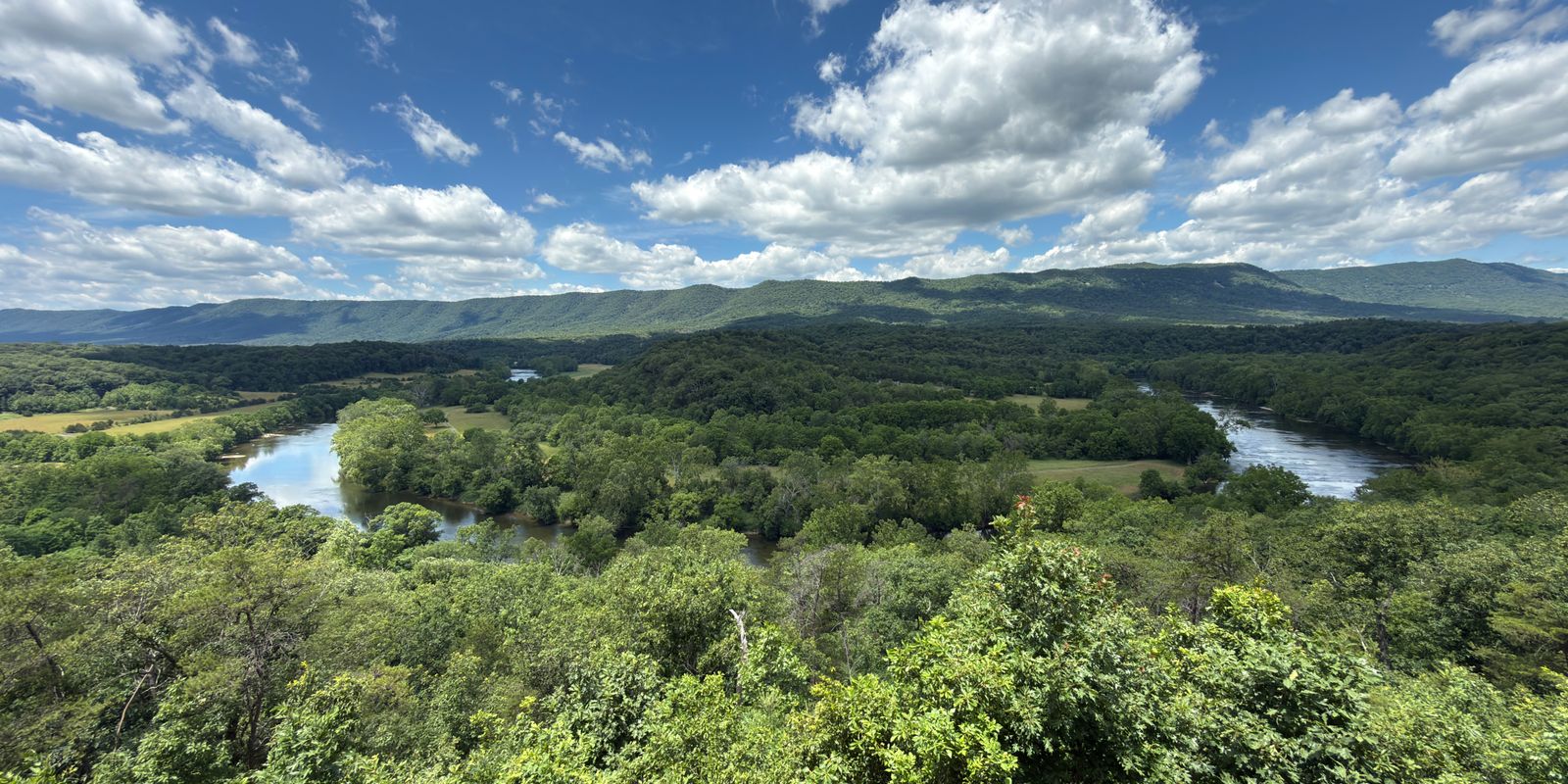
One of the park's most recognizable landmarks is its observation tower. From the tower and surrounding overlooks, visitors can see across the Greenbrier Valley and appreciate why elevation and terrain were so important during the battle. The park also includes a museum and structures built by the Civilian Conservation Corps during the 1930s.

Walking Through Civil War History
One of the best reasons to visit Droop Mountain is the ability to combine West Virginia history with the state's natural beauty.
Walking through the forest today, it can be difficult to imagine thousands of soldiers maneuvering across the same mountainside. That contrast is part of what makes Droop Mountain Battlefield such a fascinating destination.
Visitors can explore hiking trails, search for surviving battlefield features, visit the museum, enjoy the overlooks, and learn how the geography influenced the fighting.
For history enthusiasts, Droop Mountain provides something a textbook cannot — the opportunity to physically experience the landscape. Standing on the mountain makes it much easier to understand why Confederate commanders selected the high ground and why Union troops faced such a difficult task attacking it.
Why the Battle of Droop Mountain Still Matters
The Battle of Droop Mountain may not be as famous nationally as Gettysburg, Antietam, or Shiloh, but its importance to West Virginia history should not be overlooked.
The battle represented a major Union victory only months after West Virginia became a state. It weakened organized Confederate resistance in the region and contributed to Union control of much of West Virginia for the remainder of the Civil War.
More importantly, Droop Mountain tells a deeply personal story about West Virginia during America's most destructive conflict. This was a region where loyalties were divided, communities were disrupted, and West Virginians could find themselves fighting other West Virginians.
Today, Droop Mountain Battlefield State Park preserves that history while offering visitors one of the state's most interesting combinations of outdoor recreation and historical exploration.
Whether you are a Civil War enthusiast, a West Virginia history buff, or simply searching for another beautiful destination in Pocahontas County, Droop Mountain deserves a place on your travel list.
More than 160 years after the gunfire faded, the forests have returned and the mountain is peaceful again. But the battlefield remains — a permanent reminder of the soldiers who fought there and the important role Droop Mountain played in West Virginia's Civil War history.
Frequently Asked Questions
When was the Battle of Droop Mountain fought?
November 6, 1863, in Pocahontas County, West Virginia.
Who won the Battle of Droop Mountain?
Union forces under Brigadier General William W. Averell defeated Confederate forces under Brigadier General John Echols.
How many casualties were there?
The National Park Service lists approximately 415 total casualties — about 140 Union and 275 Confederate.
Can I visit the battlefield today?
Yes. Droop Mountain Battlefield State Park near Hillsboro preserves the battlefield with trails, an observation tower and a museum.
About
Discover WV Today is an independent travel and outdoor guide dedicated to helping visitors discover the best places, outdoor adventures, small towns, state parks, historic sites and hidden gems throughout West Virginia. Learn more about us →