
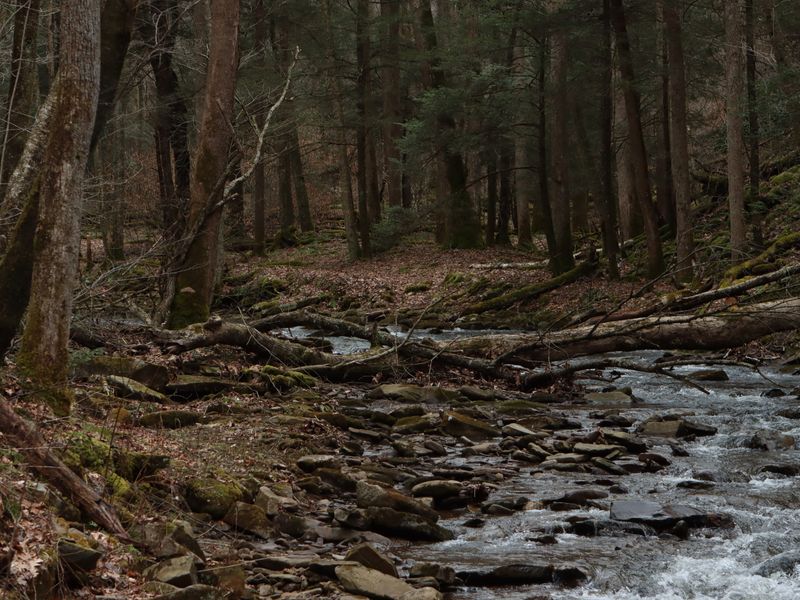
Spruce Knob
The state's highest peak is about 35 minutes away and pairs perfectly with Seneca for a full day high in the Alleghenies.
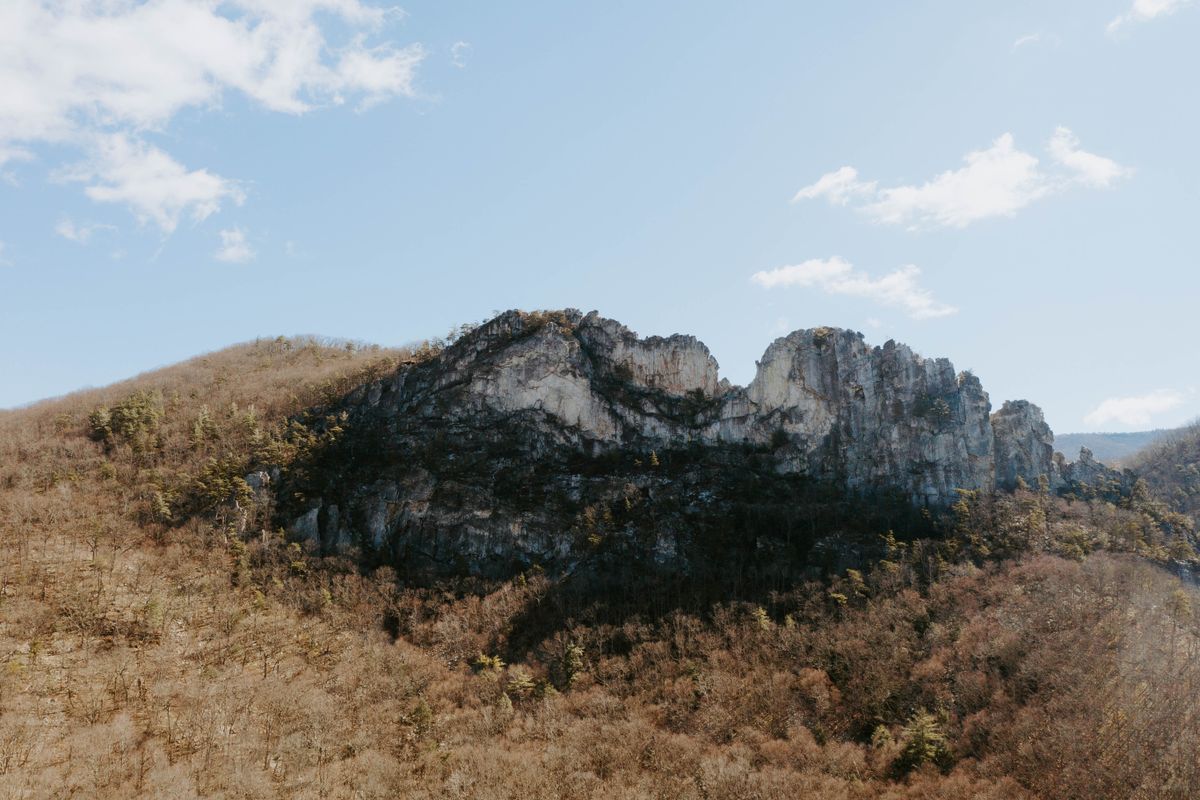
Monongahela National Forest
A 900-foot blade of quartzite thrusts straight out of the Allegheny Mountains here, drawing hikers to a knife-edge observation platform and climbers to some of the finest traditional routes in the East. This is how to experience it.
Quick Info
Seneca Rocks is one of the most photographed natural landmarks in West Virginia. Its jagged crest of Tuscarora quartzite has resisted erosion for hundreds of millions of years, leaving a sharp, nearly vertical fin that rises roughly 900 feet above the North Fork River valley.
For hikers, it offers a rare chance to stand on an actual summit ridge with air on both sides. For climbers, it is a training ground steeped in Appalachian climbing history, with hundreds of traditional routes established since the 1940s.
Because it sits inside the Monongahela National Forest near Spruce Knob and Smoke Hole, Seneca Rocks is the perfect anchor for a multi-day mountain trip.
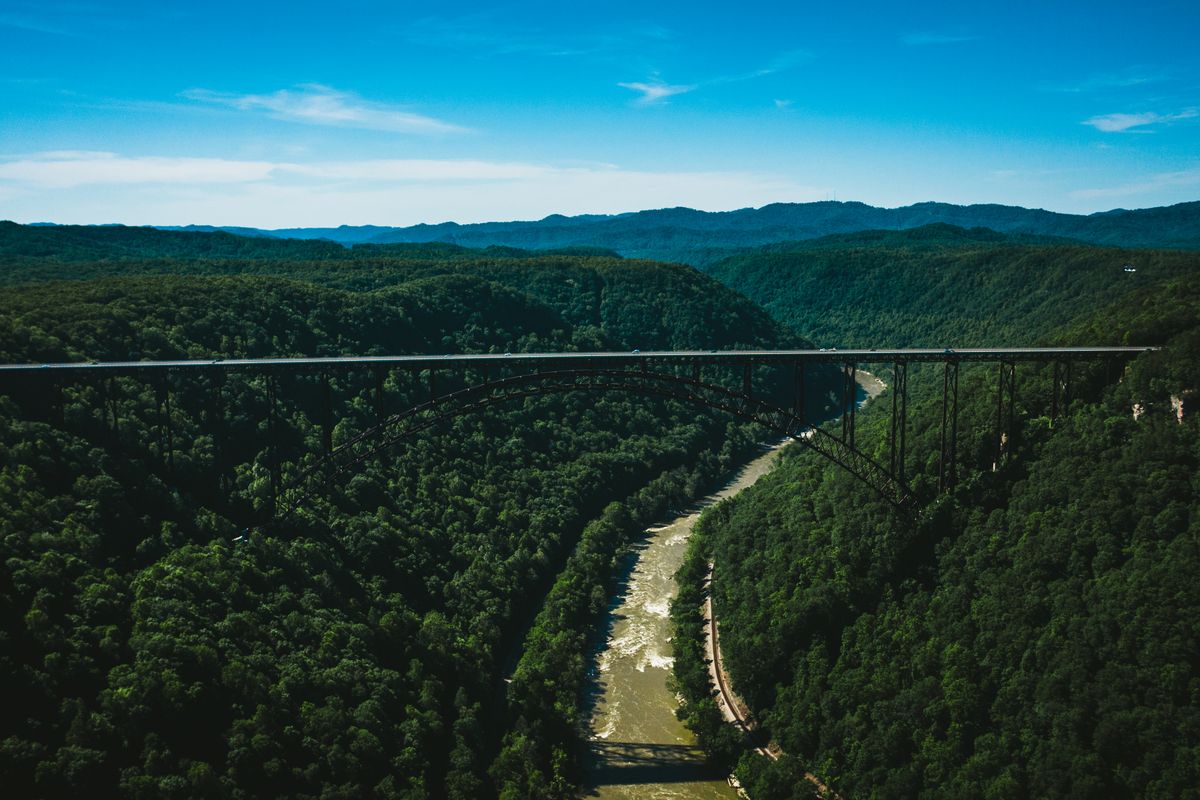
On Foot
The main trail leaves from the Seneca Rocks Discovery Center and climbs about 2.6 miles round trip to an observation platform perched just below the highest point. The route uses long, well-graded switchbacks and gains roughly 700 feet, making it a solid but manageable hike for most reasonably fit visitors.
Near the top, the trail narrows onto the rock crest itself, where a cable railing protects the final approach. The platform delivers a 360-degree view of the Allegheny Front, Germany Valley and the surrounding national forest.
Give yourself two to three hours. The best light is early morning or late afternoon, and spring wildflowers and September foliage both reward the climb.
Seneca Rocks is a traditional climbing area, meaning routes are protected by removable gear rather than permanent bolts. That reputation has shaped a strong, self-reliant climbing culture here, and it is considered a rite of passage for East Coast trad climbers.
The rock is generally solid quartzite with a mix of cracks, faces and dihedrals. The South Peak offers routes in the 5.0 to 5.13 range, and multi-pitch lines follow the crest for several hundred feet. Beginners can learn on the easier slabs and top-rope areas with a guide.
Local outfitters based in the valley offer guided climbs, instruction and gear. If you are new to the area, hiring a guide is by far the safest and fastest way to get on the rock. Check seasonal falcon closures on certain faces before you plan a route.
Start any visit at the Seneca Rocks Discovery Center, which sits at the base of the formation. Exhibits explain the geology, the Civil War-era history of the valley and the natural history of the Monongahela National Forest.
The center also hosts climbing programs and ranger-led walks during the warmer months, and its staff can advise on trail conditions, closures and nearby attractions. Restrooms and a picnic area make it a convenient base before or after your hike.
From the center's lawn, you get the postcard view of the full rock face, which is reason enough to stop even if you never put on a pack.
The state's highest peak is about 35 minutes away and pairs perfectly with Seneca for a full day high in the Alleghenies.
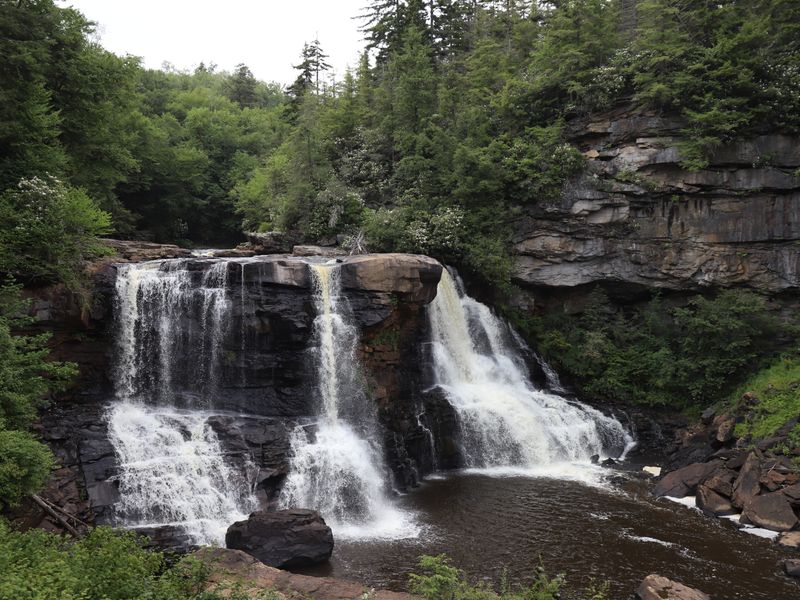
The Smoke Hole corridor and nearby falls make an easy afternoon add-on for paddlers, anglers and photographers.
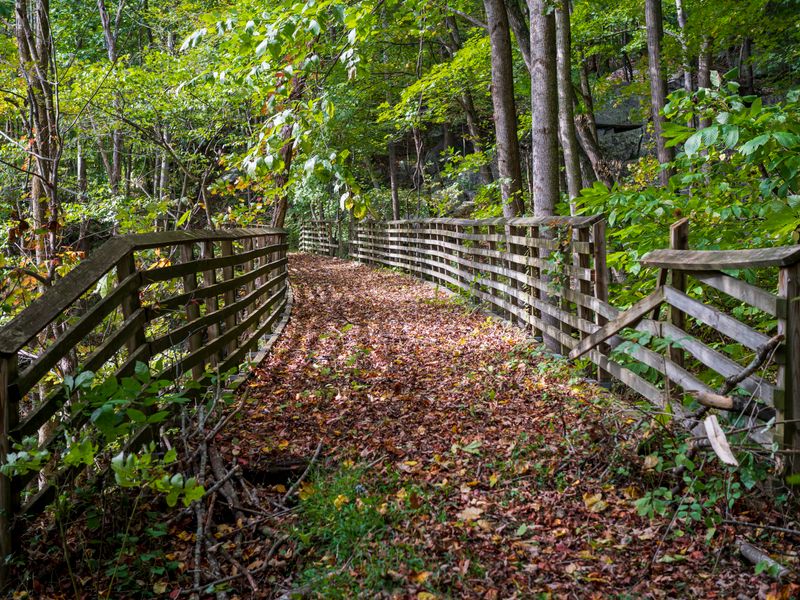
Forest campgrounds sit close to the rocks, and small valley lodges and cabins offer a comfortable base for climbers and hikers.
Seneca Rocks sits along WV Route 28 near Riverton, about 45 minutes from Elkins and roughly three hours from Washington, D.C. The drive through the Allegheny Mountains is scenic in its own right.
Peak
Stand on the highest point in West Virginia.
Wilderness
Backpack a strange and beautiful alpine plateau.
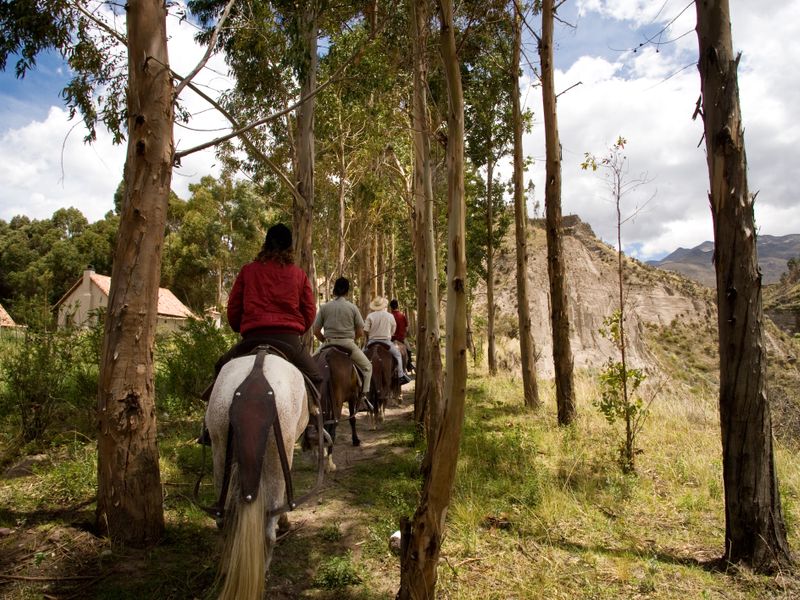
Climb
Where to climb across the Mountain State.
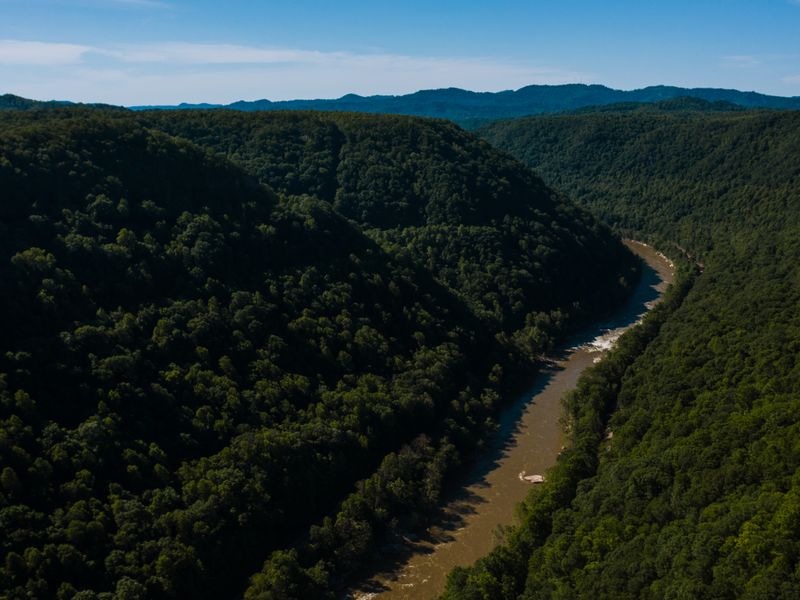
Trails
The best trail guides in the state.
Camp
Campgrounds near Seneca and Spruce Knob.
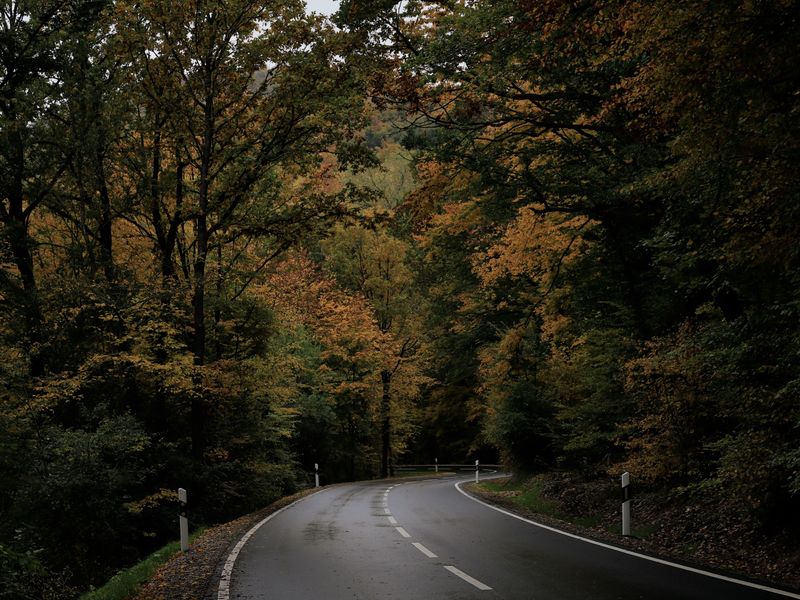
Drive
Scenic drives that string these sights together.
It is moderate. The trail climbs about 700 feet over roughly 1.3 miles each way using switchbacks, then finishes on a narrow crest with a cable handrail. Most healthy hikers finish in two to three hours.
Yes, with a guide. Several local outfitters teach introductory trad and top-rope courses. Going on your own without anchor-building experience is not recommended.
Yes. Seneca Shadows Campground is the closest public option, with sites for tents and RVs, and dispersed camping is available in parts of the Monongahela National Forest where allowed.
About 20 to 25 miles, or roughly 35 minutes by car. Many visitors combine the two into one high-country day trip.
Discover WV Today is an independent travel publication devoted to the Mountain State. We hike the trails, climb the ridges and drive the back roads ourselves, then turn those miles into practical, honest guides. Read our story →