
West Virginia Travel & Outdoors
Williams River WV: A Complete Guide to Fishing, Camping, Hiking, and Exploring This Scenic Mountain River
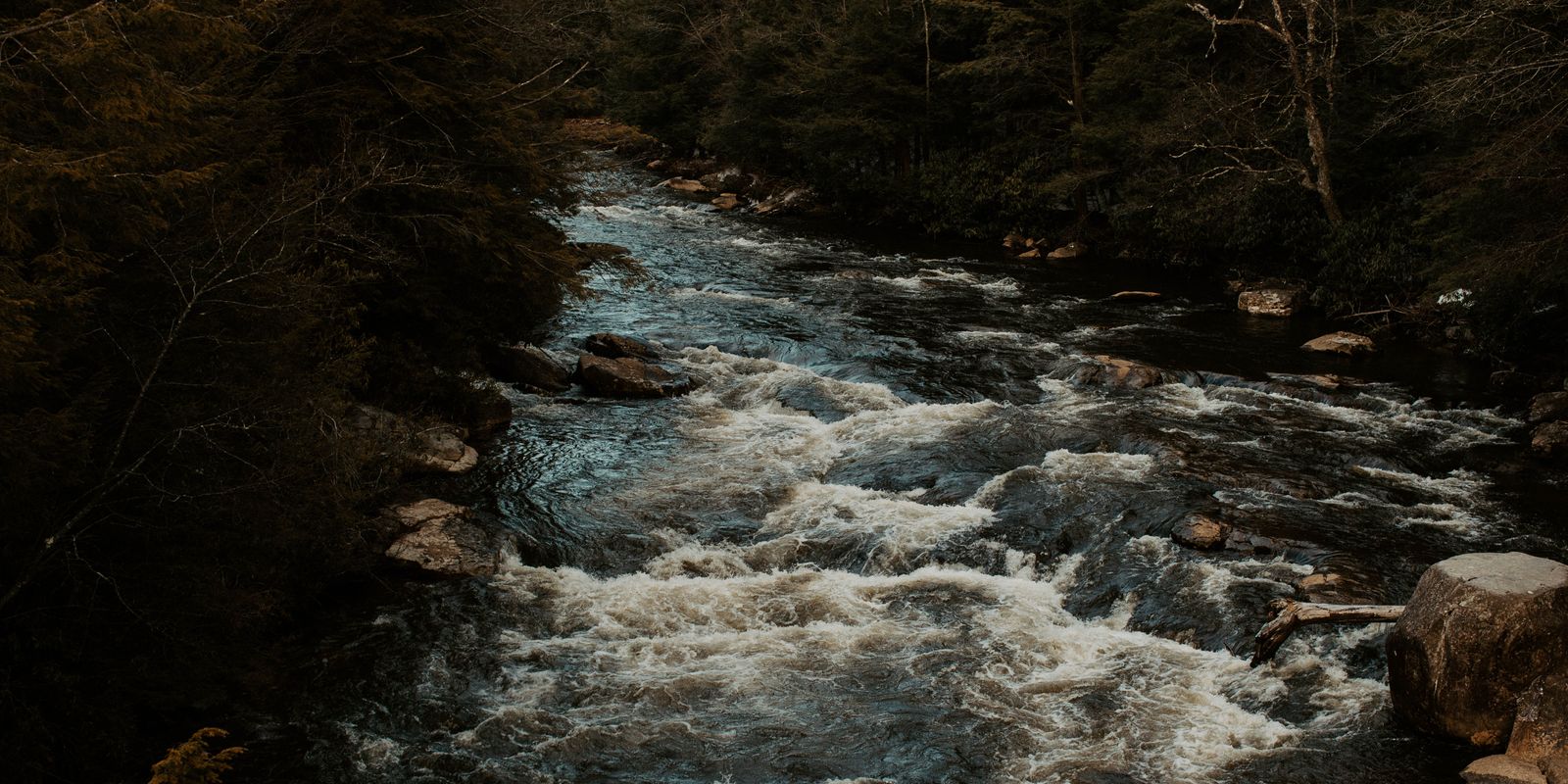
The Williams River WV is one of West Virginia's most beautiful mountain waterways, offering visitors a peaceful escape into the heart of the Monongahela National Forest. Known for its excellent trout fishing, scenic mountain landscapes, secluded camping opportunities, and rich Appalachian history, the Williams River is a destination worth exploring for outdoor enthusiasts.
Located in the mountains of Pocahontas and Webster counties, the Williams River flows through a rugged landscape of hardwood forests, rocky streambeds, and steep mountain ridges. Whether you're an experienced angler searching for native brook trout, a camper looking for a quiet getaway, or a traveler wanting to discover the natural beauty of West Virginia, this river has something special to offer.
Quick Info
- Location:
- Pocahontas & Webster counties
- Length:
- ~33 miles
- Main access:
- Forest Road 86 (Williams River Road)
- Famous for:
- Trout fishing & rustic camping
- Managed by:
- Monongahela National Forest
- Best season:
- Late spring through October
Where Is Williams River WV Located?
The Williams River is located in southeastern West Virginia, primarily within the Monongahela National Forest. The river begins in the high mountains of Pocahontas County and flows westward into Webster County, eventually joining the Gauley River.
The river is approximately 33 miles long and passes through some of the most remote and scenic terrain in the state.
One of the main access routes is Williams River Road, also known as Forest Road 86, which follows portions of the river and provides access to fishing locations, camping areas, and forest recreation opportunities.
Unlike heavily developed tourist destinations, Williams River WV remains largely surrounded by public forestland, making it an excellent destination for visitors seeking solitude and outdoor adventure.
History of the Williams River in West Virginia
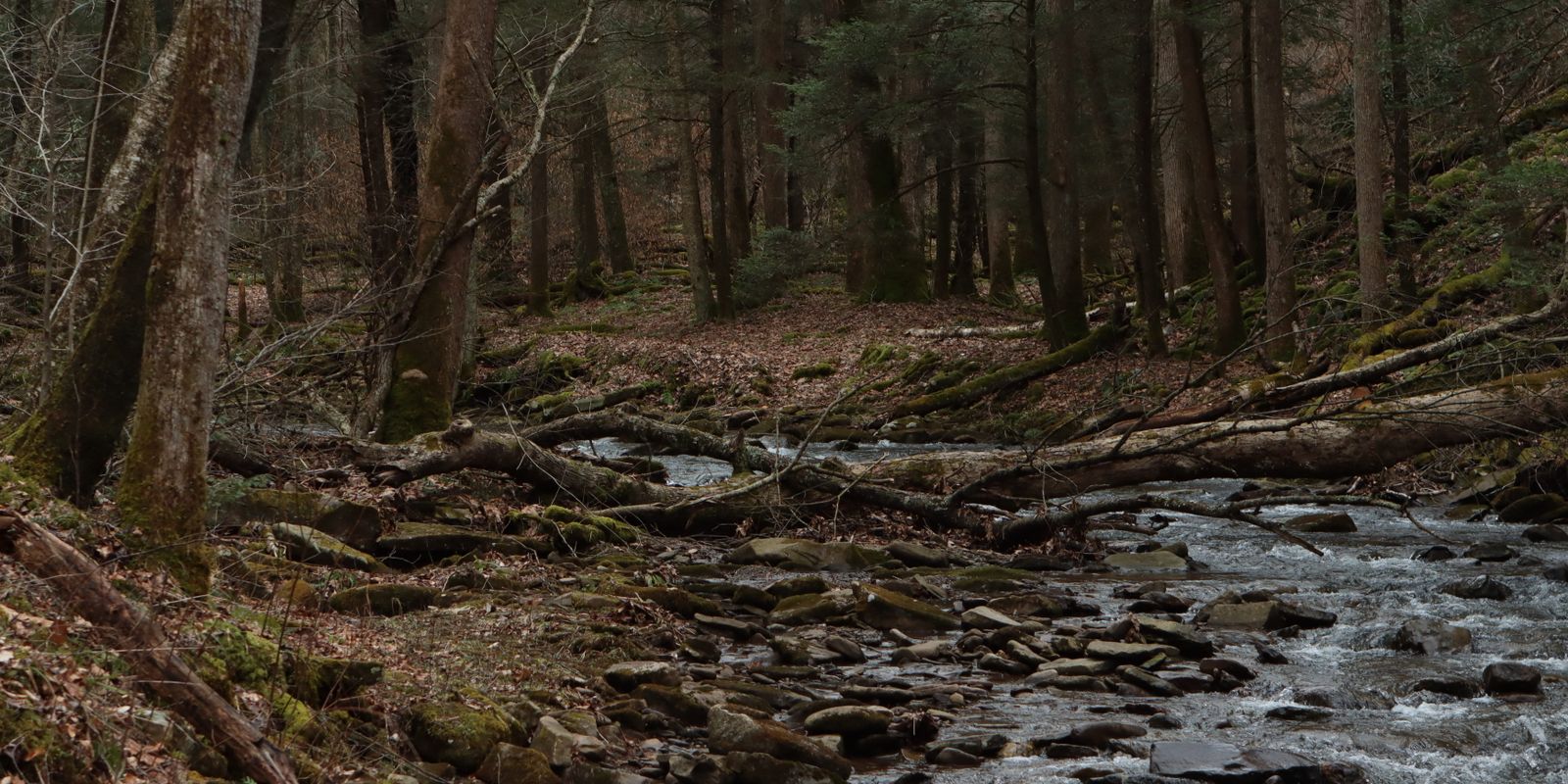
The history of Williams River WV is closely connected to the development of the Appalachian Mountains, the timber industry, and the conservation movement.
Long before European settlement, Indigenous peoples lived in and traveled through the broader Appalachian region, relying on its rivers, forests, and wildlife.
During the late 1800s and early 1900s, commercial logging transformed much of West Virginia's mountain landscape. Timber companies constructed railroads and logging camps throughout the region to harvest valuable hardwood trees.
The Williams River watershed was part of this larger timber-producing region. Nearby logging railroad corridors eventually became recreational trails, including portions of the Tea Creek trail system.
As logging declined, forest conservation and restoration helped protect the surrounding landscape. The establishment and expansion of the Monongahela National Forest contributed to the recovery of mountain forests and watersheds.
The Williams River Road also became a recognized scenic driving destination. The Williams River Backway received its scenic designation in August 1998, highlighting its forest scenery, recreational opportunities, and historic mountain setting. Today it is a popular part of West Virginia's backroad and scenic drive network.
Sources: West Virginia Rails to Trails
Trout Fishing on Williams River WV
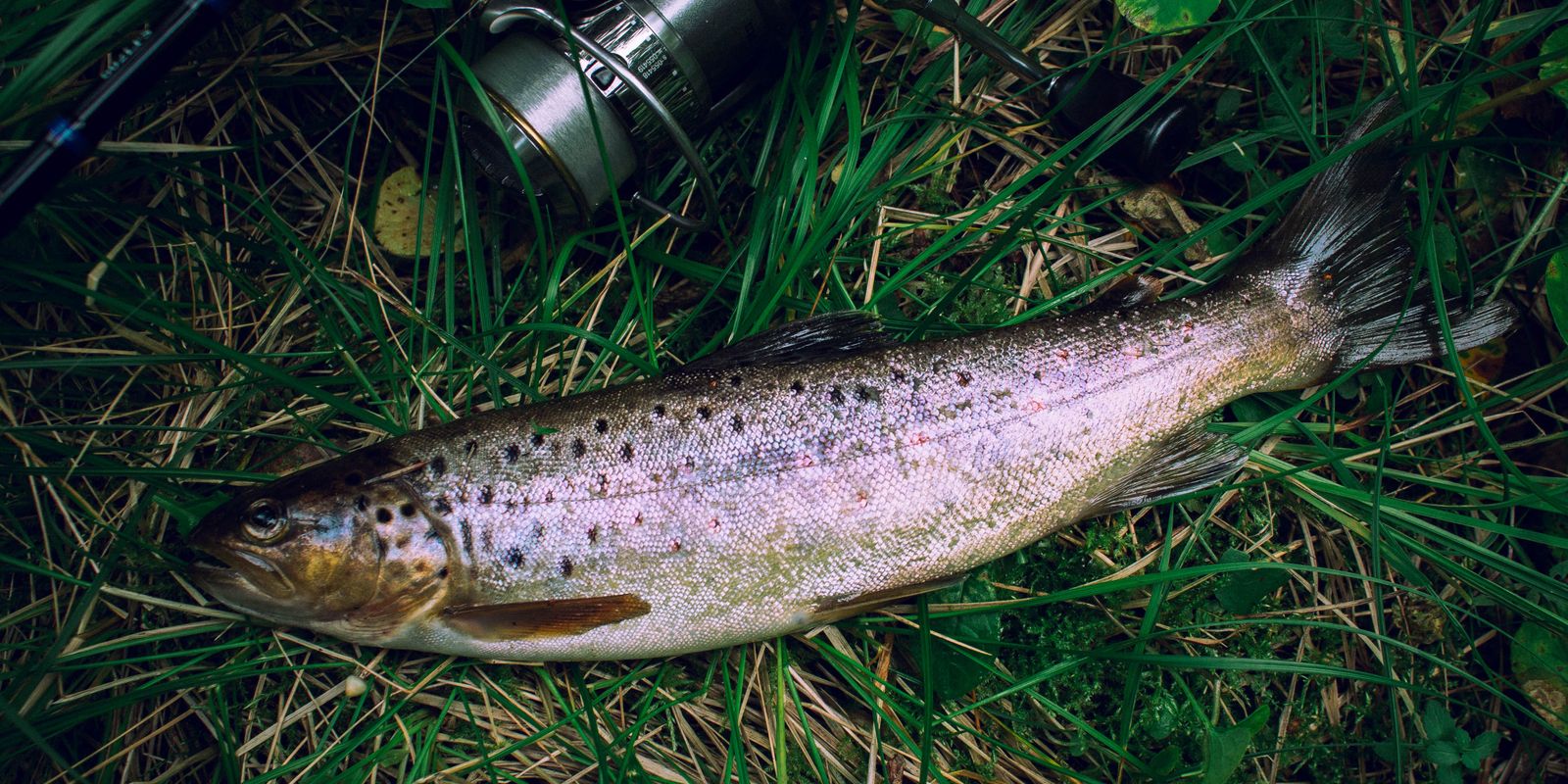
One of the biggest attractions of Williams River WV is its outstanding trout fishing. The river has long been recognized as an important trout stream in West Virginia, attracting anglers during the spring stocking season and throughout other favorable fishing periods.
Anglers may encounter several trout species, including:
- •Rainbow trout
- •Brown trout
- •Golden rainbow trout
- •Native brook trout in suitable cold headwater streams
The Williams River features deep pools, shallow riffles, boulder-filled runs, and sections of faster-moving water. These conditions provide opportunities for fly fishing and conventional trout fishing.
Best Time to Fish the Williams River
Spring is especially popular because of trout stocking and generally favorable water temperatures. Fall can also provide enjoyable fishing as temperatures cool and the surrounding hardwood forests change colors.
During summer, anglers should pay attention to water temperatures because trout become stressed in excessively warm water.
Fly fishermen often use nymphs, dry flies, and streamers, while spin fishermen may prefer small spinners and other artificial lures where regulations permit.
Before fishing, consult the West Virginia Division of Natural Resources for current stocking information, fishing licenses, trout stamps, and special regulations. Certain stretches may have restrictions that differ from general statewide trout regulations.
See also our West Virginia trout fishing and fishing guides for more places to cast a line.
Camping Along the Williams River
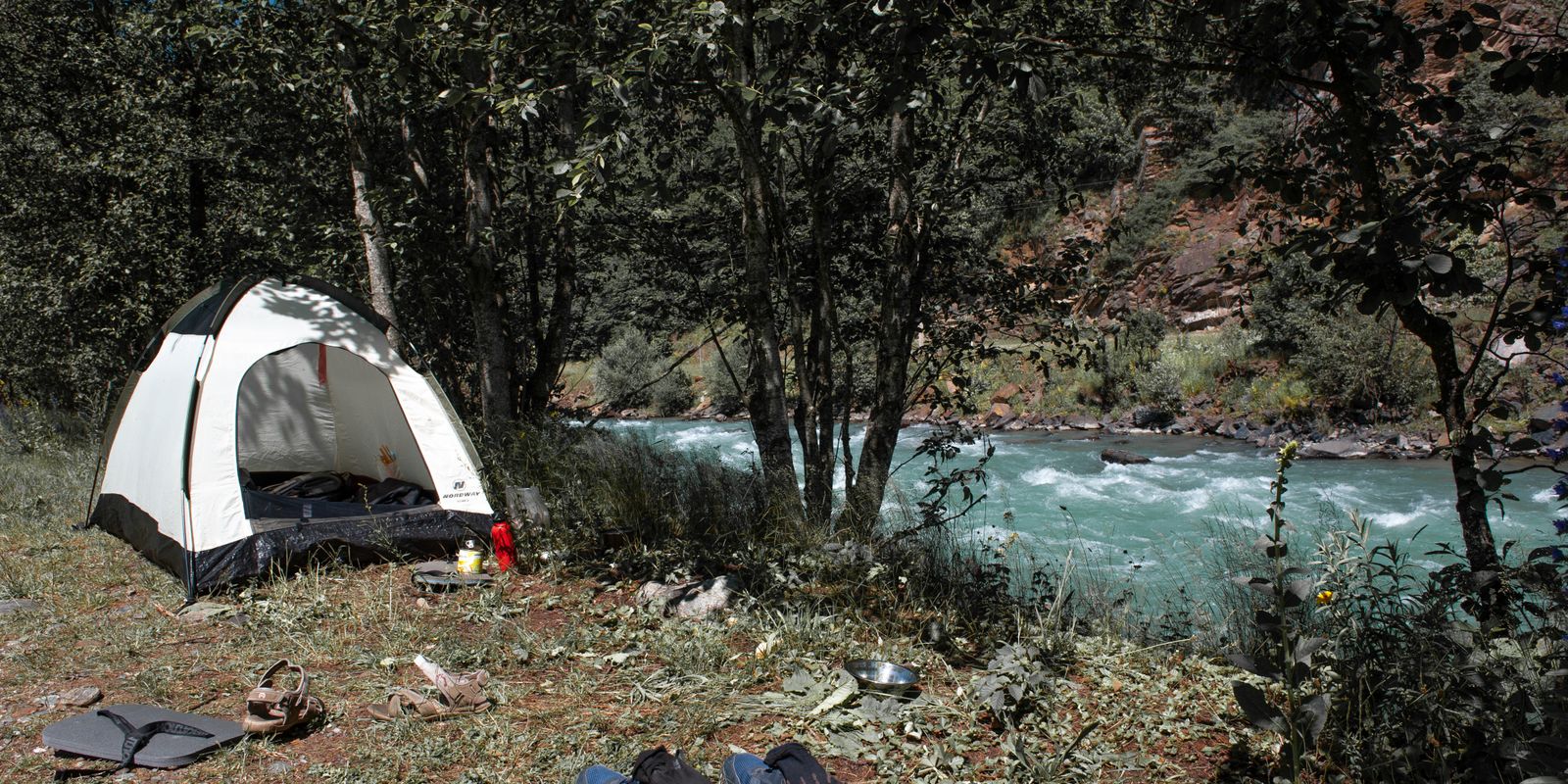
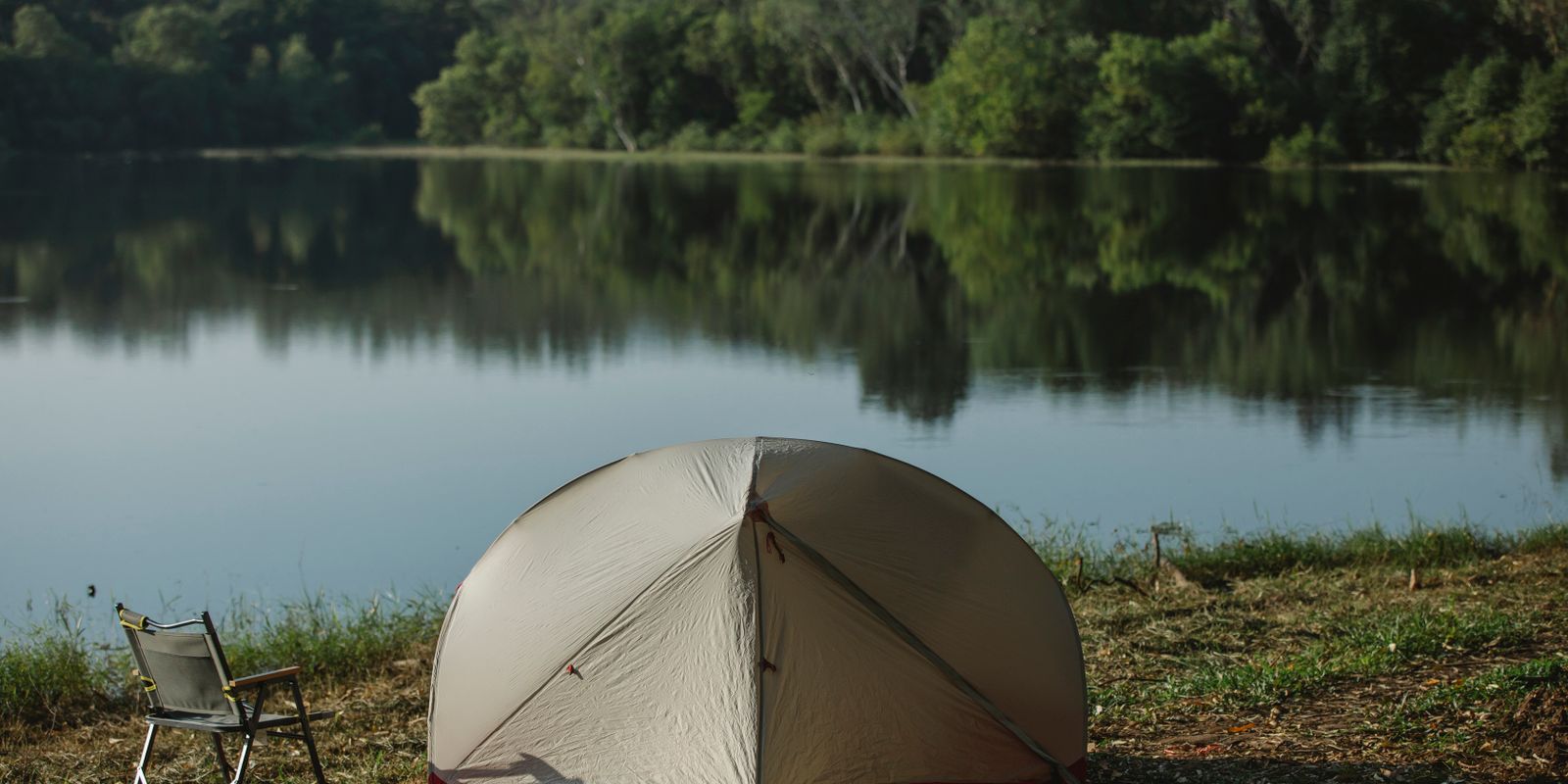
Camping is another popular reason to visit Williams River WV.
The U.S. Forest Service maintains 30 designated rustic campsites along Forest Roads 86 and 216. Many are situated close to the river, allowing visitors to enjoy the sounds of flowing water throughout their stay.
Two additional camping destinations include:
Tea Creek Campground
Located near the confluence of Tea Creek and the Williams River, this campground features 28 campsites and convenient access to hiking and mountain biking trails.
Day Run Campground
Situated along the upper Williams River, Day Run offers 12 campsites in a peaceful mountain setting. Facilities include picnic tables, fire rings, and basic restroom accommodations.
These campgrounds provide a more secluded experience than commercial RV parks. Visitors should not expect full hookups, extensive cellular service, or modern resort amenities.
Camping along the designated Williams River corridor is limited to authorized campsites and campgrounds. For more options, see our West Virginia camping guide.
Sources: Recreation.gov
Hiking and Outdoor Activities Near Williams River WV
Although fishing is the primary attraction, the Williams River area offers numerous outdoor adventures.
Hiking
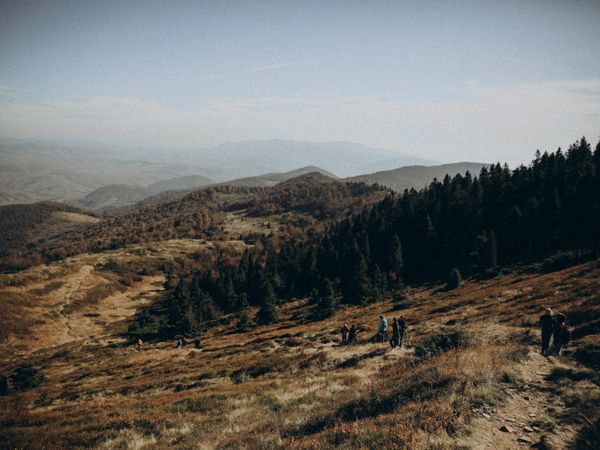
The nearby Tea Creek Trail System includes approximately 44 miles of trails through mountainous forestland. Many routes follow historic logging corridors, offering opportunities to explore the area's natural and industrial history. See our West Virginia hiking guide for more trails.
Mountain Biking
Experienced mountain bikers can explore challenging backcountry trails featuring steep climbs, technical terrain, and scenic forest surroundings. Riders should verify which trails permit bicycles.
Wildlife Watching
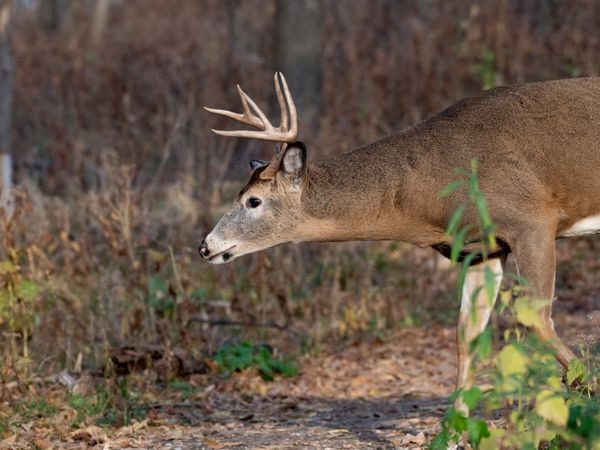
The Monongahela National Forest provides habitat for white-tailed deer, black bears, wild turkeys, and numerous bird species. Early morning and evening are especially rewarding times for wildlife observation.
Photography and Scenic Drives
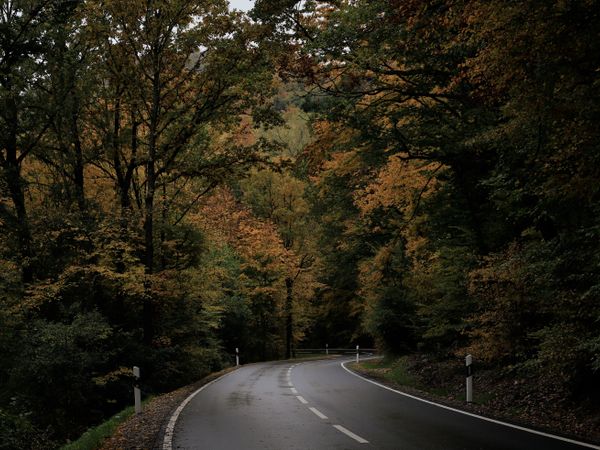
The Williams River Backway is particularly beautiful during autumn. Its approximately 28-mile scenic route follows narrow forest roads through the river valley, offering opportunities to photograph mountain scenery, waterfalls, and colorful foliage.

Directions to Williams River WV
Visitors can reach the Williams River from several communities, including Marlinton, Cowen, and Richwood.
Directions From Marlinton, WV
- Take U.S. Route 219 north approximately 7 miles.
- Turn left onto West Virginia Route 150, the Highland Scenic Highway.
- Travel approximately 9 miles to the Williams River Bridge turnoff.
- Turn onto Forest Road 86 to access the Williams River corridor.
- Follow posted signs toward the desired fishing access or campground.
For Day Run Campground, continue approximately 3 miles on Forest Road 86, turn sharply right onto Forest Road 216, and travel approximately 1 additional mile.
Directions From Cowen, WV
From Cowen, follow the local road connections toward Williams River Road, Forest Road 86. This approach provides access to the lower river corridor and continues upstream toward the Highland Scenic Highway when the road is open.
Visitors should use an updated forest road map rather than relying exclusively on GPS navigation.
Important 2026 travel advisory
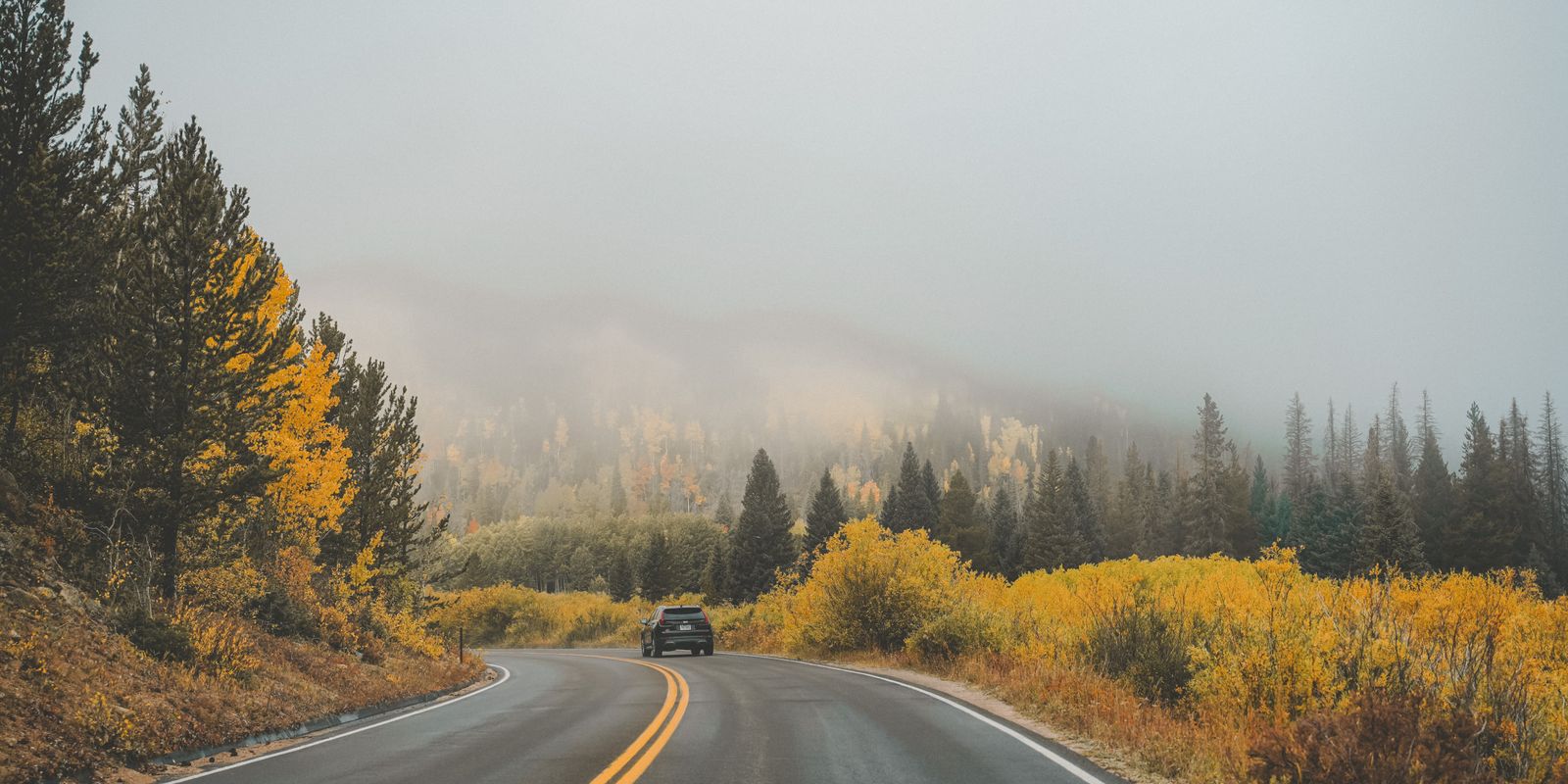
The U.S. Forest Service has scheduled major repairs and resurfacing along the 18.4-mile Forest Road 86 corridor. Individual sections may be closed during construction, preventing through travel. Check current Forest Service notices before departing.
Sources: Recreation.gov
Best Time to Visit Williams River WV
Each season offers a different experience along the river.
Spring brings flowing streams, trout fishing, and fresh mountain greenery. Summer is ideal for camping, hiking, and relaxing beside the water.
Fall is particularly impressive because the surrounding mountains become covered in red, orange, and golden foliage. It's a great time to pair a river visit with our West Virginia fall festivals and fall foliage train rides guides.
Winter offers solitude but also presents challenges. Forest roads may be unmaintained, icy, snow-covered, or inaccessible.
For most recreational visitors, late spring through October offers the most practical conditions, depending on weather and road access.

Why Williams River WV Is Worth Visiting
The Williams River represents the quieter side of West Virginia tourism. Instead of crowded attractions and commercial development, visitors discover mountain forests, clear streams, rustic campsites, and miles of outdoor recreation.
For anglers, the river provides an opportunity to pursue trout in a beautiful Appalachian setting. Campers appreciate the peaceful surroundings, while hikers and photographers enjoy access to some of the region's most scenic landscapes.
Whether planning a weekend fishing trip, an autumn scenic drive, or a family camping adventure, Williams River WV deserves a place on your list of West Virginia outdoor destinations.
With its rich history, outstanding natural scenery, and recreational opportunities, the Williams River remains one of the Mountain State's memorable hidden treasures. Explore more of the state's best-kept secrets in our West Virginia hidden gems and outdoors guides.
About
Discover WV Today is an independent travel and outdoor guide dedicated to helping visitors discover the best places, outdoor adventures, small towns, state parks, historic sites and hidden gems throughout West Virginia. Learn more about us →